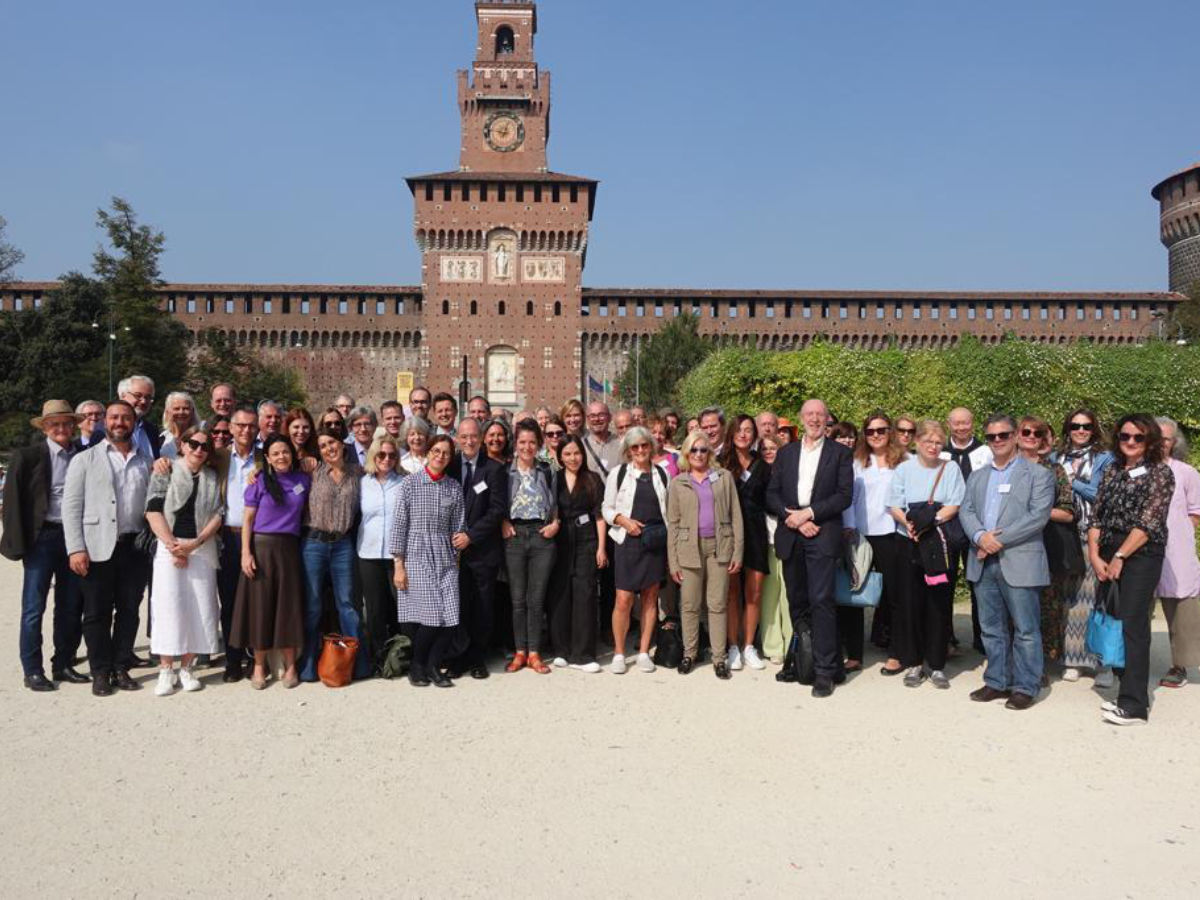
The ISTFP supervisors’ congress was hosted for the third time last October 6th and 7th. This meeting of the event, held every two years, brought together over 60 therapists and supervisors from all over the world in the vibrant city of Milan, Italy, under the name of the “Gerard Dammann Conference” in honor of our deceased colleague who hosted the first of these meetings at his hospital in Münsterlingen, Switzerland in 2019. The gathering was widely anticipated as it was the first time we could finally meet face-to-face after the pandemic.
This meeting of the congress, organized by our Italian ISTFP colleagues, stood out for its richness in content, for the quality of the speakers, and for the attention given to organizing welcoming spaces both for the academic meetings and for the social and entertainment events that were greatly appreciated by the attendees. It has proven to be enriching on multiple levels, including academic, professional, social, and human. In this paper, I will give you a brief summary of a congress program packed with enriching talks and social activities.
On the first day, before the official inauguration, a fruitful meeting was held between the teaching and research committees, led by Emanuele Preti. The meeting highlighted and consolidated the union between the two committees, focusing on ways to co-ordinate their efforts. Then the congress officially began with opening remarks given by Irene Sarno, on behalf of the local organizing group, followed by Luis Valenciano on behalf of the Training and Education Committee and Frank Yeomans as president of the ISTFP. It was followed with a reflection on the main difficulties in TFP learning by Nel Draijer and Stephan Doering. This was followed by a discussion of the role of treatment goals in TFP training, supervision, and practice by Richard Hersh and Eve Caligor. The first day concluded with an engaging case analysis, skillfully presented by Mark Petrini, Diana Diamond, and Frank Yeomans, with discussion by Eric Fertuck.
On the second day, Alvise Orlandini and Sergio Dazzi led a session on how to better understand affect and affective dominance when practicing TFP. Their presentation was followed by an exploration of how to teach TFP supervisors to elicit richer input from group members using a video provided by Petra Holler and Mathias Lohmer. Then, online from his home in Maine, Otto Kernberg guided us through common dilemmas faced by supervisors, which are important to think about in our practice. Finally, the event culminated with a reflection on the treatment of patients with concrete thinking and low reflective capacity, presented by Luis Valenciano and Frank Yeomans, thereby concluding one of the most fruitful meetings of our organization.
The common emphasis on the role of affect in therapeutic practice and supervision that was mentioned in all presentations stood out as an integrative guideline for the proceedings.
In addition to the academic sessions, each day ended with a social gathering, giving attendees the opportunity to interact, share experiences, and strengthen professional ties.
The meeting was very inspiring, and the all the comments enriched those two intense days. Finally we could chat, eat and dance together! And we thank our Italian colleagues of the PDLab for hosting the conference lunches.
“As a member of the PDLab organizing committee, it has been a pleasure to organize this important meeting, a wonderful opportunity to see many colleagues from other countries in person. We all missed that direct contact.”
Alvise Orlandini
Perhaps the best way to explain what we have lived and learned in Milan, is the one explained by Sergio Dazzi:
Teaching TFP is an exciting experience but arduous for the many different variables implied when we try to understand how best it can be done: differences in severity of pathology among patients suitable for TFP, differences in personal characteristics of a single therapist (as we privilege the channels of communication of non verbal communication and induction of countertransference reactions it comes clear that different therapists can follow individualized paths to reach the same goal while coherently moving accordingly to the manualized indications), and finally the different stages of treatment. To these we could add the choreography of the supervision, individualized or in group, and the different level of expertise of the presenting candidate.
So, the issue can be afforded from many different angles and I have learned much from each one. The idea of interviewing a candidate (Nel and Stephan), or of telling about the work of three different supervisors in New York who debate and integrate (Eric), or of directly showing in the same video a segment of a session, a segment of a supervision and a role playing (Petra and Mathias), or of affording in a creative way what once were called (if I may dare) the aspecific aspects of psychotherapy (Luis and Frank), all this tells us how much space all of us have to enrich our way of teaching. I have named just a few coming to my mind but all presentations deserved much attention and kept me awake in a very hot Italian September, until Alvise reminded us that It’s Only Rock’n Roll.
Sergio Dazzi
Dear members of the ISTFP, as you can see, the Third ISTFP Supervisors Congress has not only strengthened training and supervision in PFT, but has also reaffirmed the commitment of the global community of TFP therapists and supervisors to continue pursuing excellence in clinical practice.
For now, Milan bids us farewell, but we can all meet again in New York in September 2024!
We look forward to seeing you all!
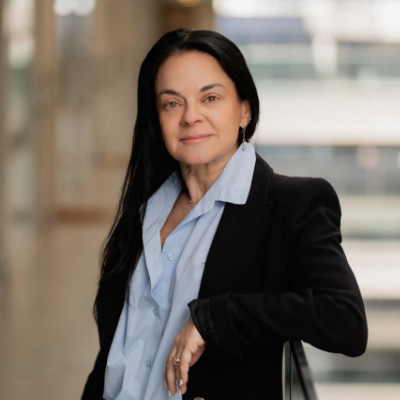
Ps. Veronica Steiner
Veronica Steiner Segal is a Chilean clinical psychologist who graduated in 1998. Since her beginnings she has been working with patients with Severe Personality Disorders in different health institutions in her country, and since 2018 she is a certified TFP therapist. In 2019 she obtained her accreditation as a teacher and supervisor. Since the same year she is coordinator of Grupo TFP Chile. She is the Executive Officer for the Board and she collaborates with the T&E Committee. She also teaches at the University of Valparaiso, in the Department of Psychiatry, where she also teaches in the Diploma of Severe Personality Disorders.
She collaborates in different courses looking for the diffusion of TFP. Together with Luis Valenciano and Pepa Gonzalez she directs an important training in TFP for Spanish speaking students, Instituto TFP Hispanoamerica.