
• Skip to content
ISTFP.ORG

ISTFP.ORG

Advancing Treatment of Borderline Personality Disorder

International Society of Transference-Focused Psychotherapy

Advancing Treatment of Borderline Personality Disorder

  • Home
    • Latest News
    • Upcoming Trainings
    • Books
  • About ISTFP
    • History of ISTFP
    • Executive Board
    • International Groups
    • ISTFP Committees
    • ISTFP Biennial Conferences
    • Contact
  • News
  • Treatment
    • About Transference-Focused Psychotherapy (TFP)
    • About Borderline Personality Disorder
    • Research on TFP
    • TFP for Groups
    • TFP for Couples
    • TFP for Adolescents (TFP-A)
    • TFP for Narcissistic Patients
    • TFP for Neurotic Personality Organization (DPHP)
    • TFP in Forensic Psychiatry (TFFP)
    • Inpatient TFP
  • Publications
    • Transference Focused Psychotherapy Online Library
    • TFP Books
    • Diagnostic Instruments
  • Training
    • Upcoming TFP Trainings
      • TFP Trainings North America
      • TFP Trainings Latino America
      • TFP Trainings Europe
      • TFP Trainings Asia
    • Training in TFP
    • Levels of Certification
    • Teacher and Supervisor Curriculum
    • Directory of Certified TFP Teachers and Supervisors
    • Archive of TFP Training Seminars
    • Archive of TFP Training Courses
  • Membership
    • Join the ISTFP
    • Membership Account
    • Your Profile
    • Member Account FAQ
    • Contributing Content
    • Supervisor Resources
    • Log In

TFP supervision: At best, a dialogue about life

News

“At best, a dialogue about life”

This moving statement concludes Chapter 6, titled ‘Reflections on Supervision,’ from Dr. Kernberg’s book Hatred, Emptiness, and Hope. It had such a profound effect on me that I decided to make it the centrepiece of this article about the relationship between supervisor and supervisee. It sums up how our founding father sees the complex and sometimes complicated human experience. With rigour and sensitivity he tells a story of mutual human growth underlining what can nourish or hinder the process. In this text, I will attempt to summarize his most fundamental ideas on supervision.

This article contains exclusive content for ISTFP members.

If you already are a member of the ISTFP, login to read the full text. If you are not a current member of the ISTFP and want to enjoy all of our exclusive content such as blog posts and other resources, please click one of the links below and follow the instructions provided. We look forward to welcoming you to our community.


Renew Now or Join the ISTFP
Already a member? Log in here

Mathieu Norton-Poulin

Mathieu Norton-Poulin, M.Ps.

Mathieu Norton-Poulin is a psychologist in private practice in Gatineau, Québec. He graduated from Laval University in 1995 and started his training in transference focused psychotherapy in 2005. Member of the TFP-Québec group he as been practicing as a certified TFP therapist for the last 11 years. Since 2009 he organized several training events and has given lectures on TFP for medical doctors and college students. He maintains a blog where he write, in plain words, articles to explain TFP to the general public.
Read author’s Blog

A word from the president – October 2024

News

Combining Cognition and Affect… and moving forward

Dear Colleagues,

September 27, 28, and 29, 2024 were very special days for the ISTFP. Our 8th Biennial Conference took place in New York. The experience was evidence of a principle that we emphasize in the practice of TFP: it is important to combine cognition with affect.

This article contains exclusive content for ISTFP members.

If you already are a member of the ISTFP, login to read the full text. If you are not a current member of the ISTFP and want to enjoy all of our exclusive content such as blog posts and other resources, please click one of the links below and follow the instructions provided. We look forward to welcoming you to our community.


Renew Now or Join the ISTFP
Already a member? Log in here

Frank E. Yeomans, MD, PhD

Frank E. Yeomans, MD, PhD, is a Clinical Professor of Psychiatry at the Joan and Sanford I. Weill Medical College and Graduate School of Medical Sciences of Cornell University. He is a Senior Consultant in and teaches internationally for the Personality Disorders Institute, and is in private practice in White Plains and New York City.

Author’s Website

8th Biennial ISTFP Post Conference Reflections

News

Renewing and Making Connections; Taking Stock and Planning Growth


After 6 years

…. we were finally able to meet in person again, this time in New York’s Weill Medical College of Cornell University. What a perfect setting for learning, reflecting on our practice and research, creating new bonds, and renewing connections.

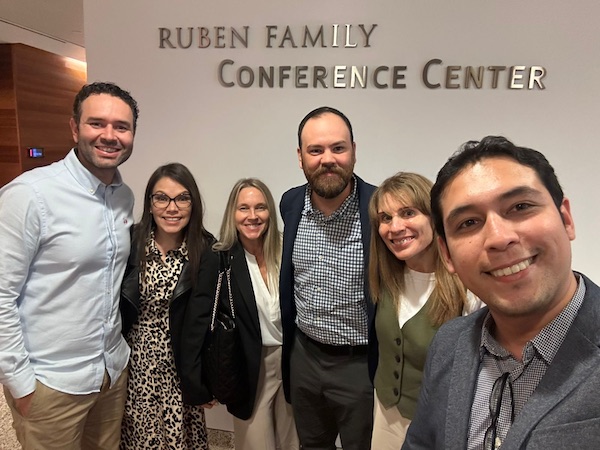
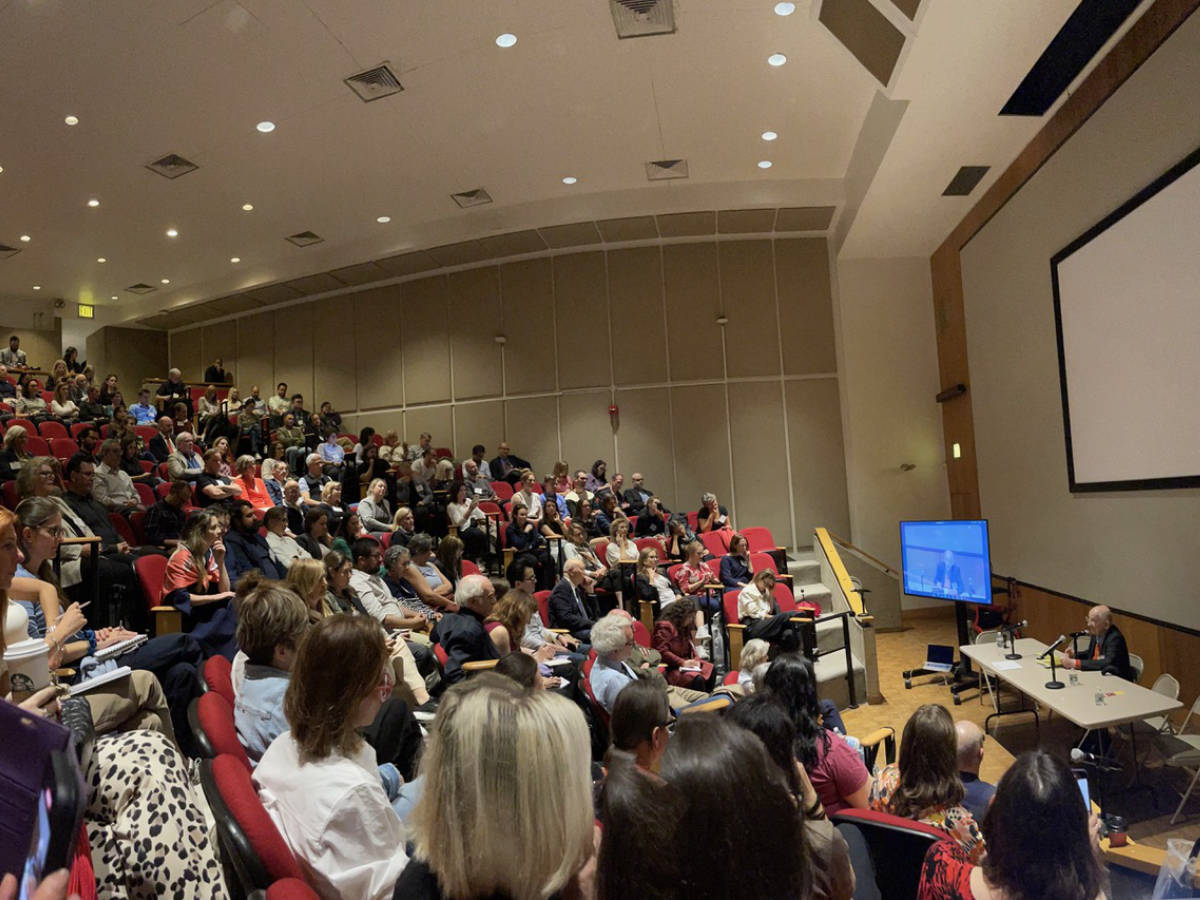
The excitement to meet brought together around 300 members and affiliates of our community from September 27th to 29th, as we celebrated the eighth international congress of our society, the ISTFP.

The academic program

On the 27th, the events started with three magnificent pre-conferences: Barry Stern and Nestor Kapusta, as discussant, spoke about the Object Relations Model of Couples Therapy; Lina Normandin, Karin Ensink, and Alan Weiner taught us about TFP for Adolescents: Specificities and Family Work; and Luis Valenciano and Irene Sarno spoke about supervision for newly certified TFP supervisors and those interested in becoming TFP supervisors. These workshops had an unprecedented attendance and great participation of the attendees. This preliminary day foreshadowed the climate of exchange and scientific and theoretical discussion that was to come in the next two days. 

On the 28th and 29th we had the privilege of attending lectures by Eve Caligor, Chiara De Panfilis, Emanuele Preti, Agnes Schneider-Heine, Nel Draijer, Karin Ensink, Stephan Doering, special guest David Tuckett who spoke about Knowing What Psychoanalysts Do and Doing What Psychoanalysts Know, and Otto Kernberg. 

In addition, there were seven scientific symposia, five SPECIAL TOPICS SYMPOSIA, and ten posters exhibited. All of this was marked by an increasing breadth of topics and increasing participation of young exhibitors in the TFP community.

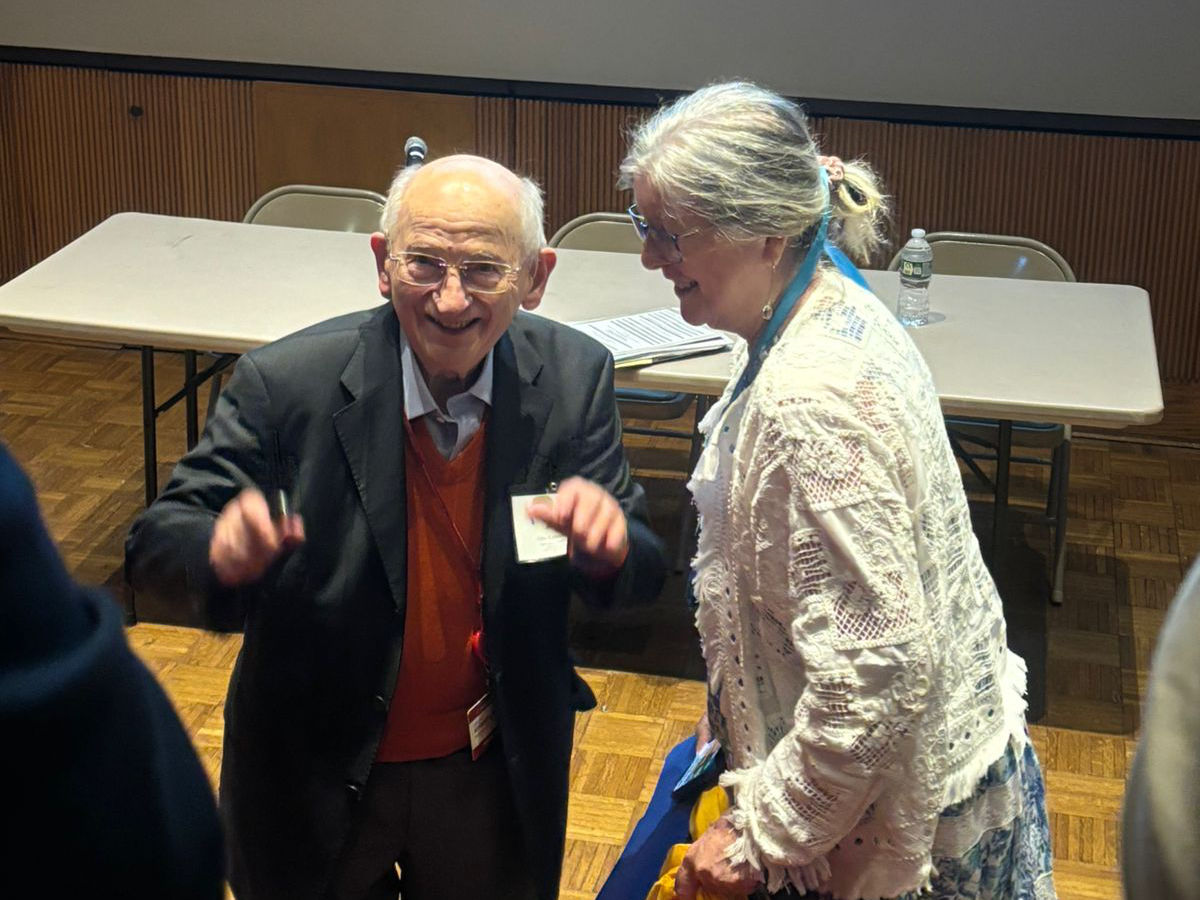
Otto Kernberg’s presence was a highlight throughout the event. Not only did he participate as an attendee and contribute his insights during committee meetings on the future of our institution, but he also delivered the final day’s plenary lecture on ‘Alternative Contemporary Views of Psychoanalytic Therapy.’ His words demonstrated his characteristic ability to integrate and provided a vision for our future. The audience paid tribute to him with prolonged applause, filling the auditorium with emotion and gratitude for several minutes.

The research awards

This presentation of research awards was a highlight of the conference, recognizing talent in upcoming TFP researchers. What stood out was the exceptional quality of the submitted works.

The award for recent published research was given to two sets of winners:

1) Kevin Meehan and Nicole Cain for:

Meehan, K. B., Cain, N. M., Roche, M. J., Fertuck, E. A., Sowislo, J. F., & Clarkin, J. F. (2023). Evaluating Change in Transference, Interpersonal Functioning, and Trust Processes in the Treatment of Borderline Personality Disorder: A Single-Case Study Using Ecological Momentary Assessment. Journal of Personality Disorders, 37(5), 490–507. https://doi.org/10.1521/pedi.2023.37.5.490

2) Victor Blüml and Maria Gruber for:

Gruber, M., Alexopoulos, J., Doering, S., Feichtinger, K., Friedrich, F., Klauser, M., … & Blüml, V. (2023). Personality functioning and self-disorders in individuals at ultra-high risk for psychosis, with first-episode psychosis and with borderline personality disorder. BJPsych Open, 9(5), e150

The event was, in itself, a testimony to how well the TFP research community is developing following the highest academic standards.

Awards were also given for outstanding research presentations at the conference.

The ISTFP Research Committee gave 1 first place award, 1 second place award, and 2 third place awards to:

1) Emilia Soroko for the presentation:

Validity and clinical utility of the Polish version of the Revised Structured Interview of Personality Organization (STIPO-R-PL)

2) Marco Di Sarno for the presentation:

Pathological narcissism, self and other representations, and affect in the patient-therapist relationship: Preliminary data from an experience sampling study

3) Marko Biberdzic for the presentation:

Level of Personality Organization and Development Questionnaire (LPODq 14-21): Investigating the Validity of a Theoretically Informed and Developmentally Sensitive Measure of Personality Pathology in Youth

3) Arianna Sinisi for the presentation:

The contribution of Transference Focused Psychotherapy (TFP) in general adult psychiatry training: improving trainees’ technical confidence and attitude towards people with personality disorder

Choosing our Leaders

The ISTFP convention is always an opportunity to choose hour leaders for the next 2 years. During the member assembly, the members elected the new ISTFP Board. Frank Yeomans was re-elected as President and Stephan Doering was elected as Vice President. He will replace Eve Caligor who provided great service to the ISTFP in that role and will continue on the Board. Victor Blüml was elected the new Treasurer, replacing Melitta Fischer-Kern, who provided the ISTFP with dedicated managing of its finances since the inception of the organization in 2012. Along with the rest of the board, who will continue in their current positions, they have the mission to lead our society into these uncertain times until 2026.  

Exchanging Professional Experiences

The conference offered participants the ability to meet members from around the world who were eager to share their experiences with us. In the spirit of the theme of this Newsletter, here are a few of them regarding training to be a supervisor.

Many described their training as a supervisor in TFP is a transformative growth experience.

Ruth Alcalá Lozano described her training process as “enriching and exciting.” Throughout her journey, she has observed how others manage to apply TFP in complex countertransference situations. Being “the observer of the observer” has required her to broaden her knowledge and maintain a constant practice. She emphasizes that “every clinical experience prepares me to handle future cases better,” highlighting the importance of adapting to the uniqueness of each situation.

Aurora Doll Galardo has increased her interest in microprocesses and the therapist’s attitude. She highlights that “supervision requires structure, the ability to organize something that is initially loaded with emotions.” A significant experience for Aurora occurred while supervising a case in which she decided not to seek out a patient who missed an interview. This moment led her to reflect on the commitment necessary in the therapeutic process.

Pablo Botias Cegarra found the most challenging aspect of training to be staying mindful and calm while teaching and sharing his knowledge with colleagues. “So the whole process was transformative in the sense that it helped me see myself as co-supervisor in supervision, a tutor in teaching classes, and to acknowledge my capacity to help other people to understand TFP better.”

Finally, Silvia Bernardi reflected on her role as a co-supervisor, facing the challenge of helping beginner therapists. She states that “it is easy to understand the patient’s pathology, but it is much more difficult to communicate it and be heard.” The distance that allows her to be a supervisor has been transformative for her practice: “I conceptualize each case much more clearly than when I am in my role as a therapist.”

The Breakfasts and Conference Dinner

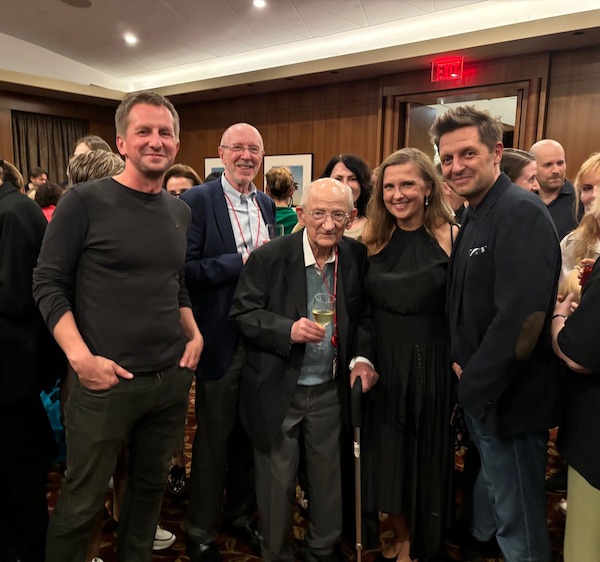
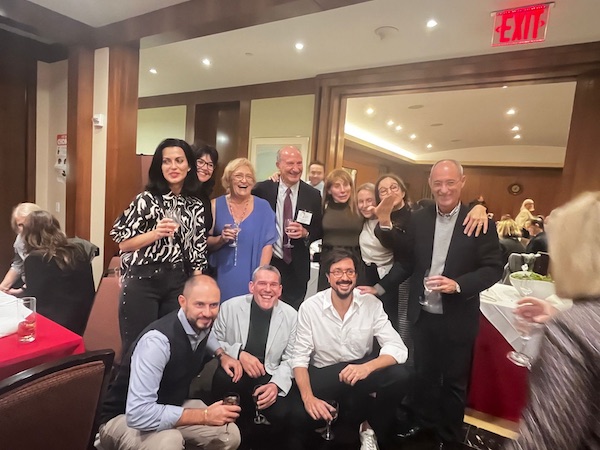
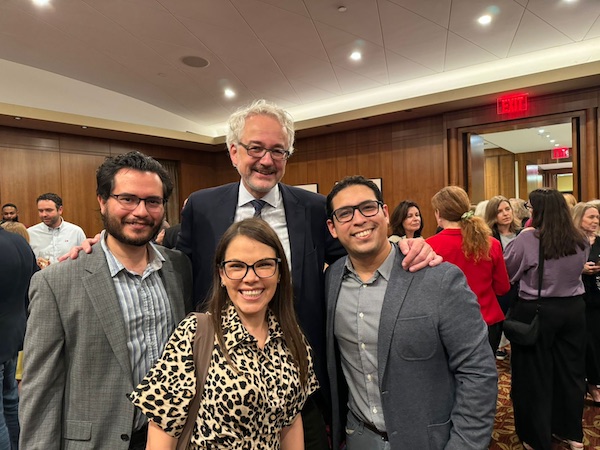
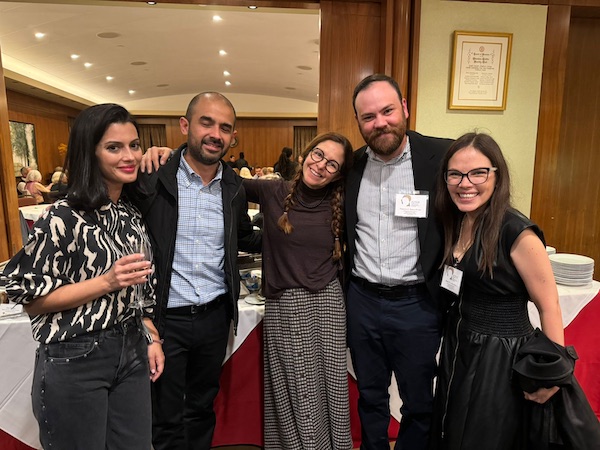
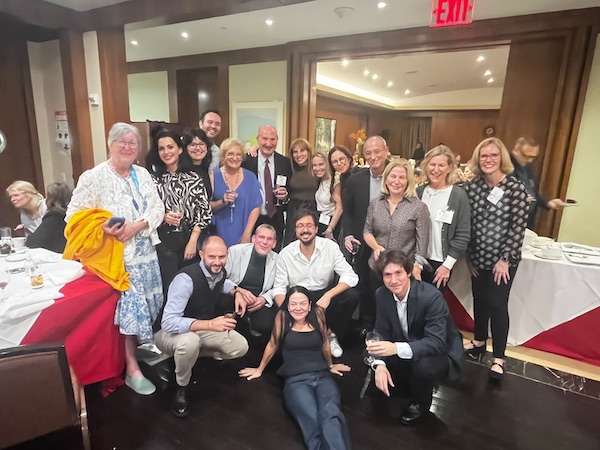
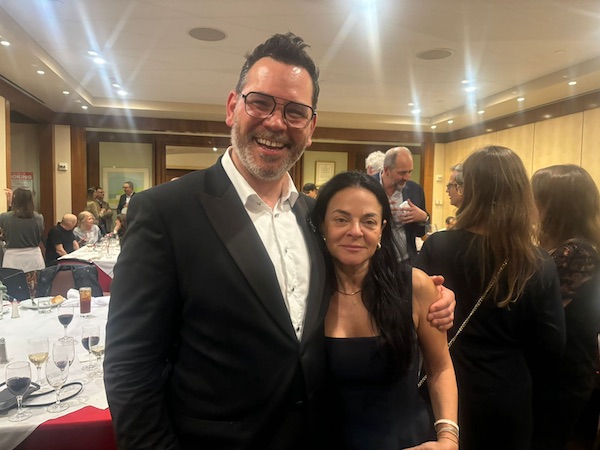
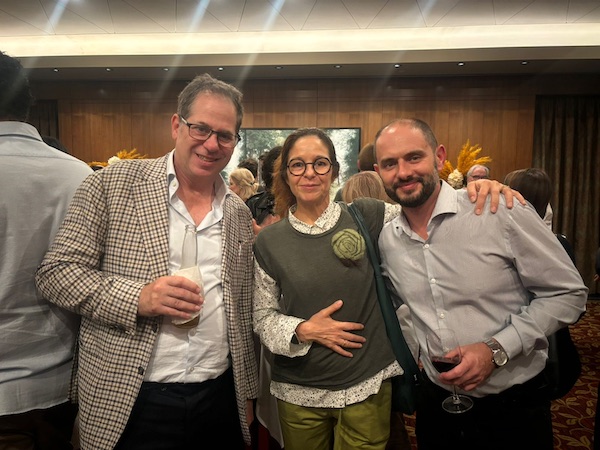
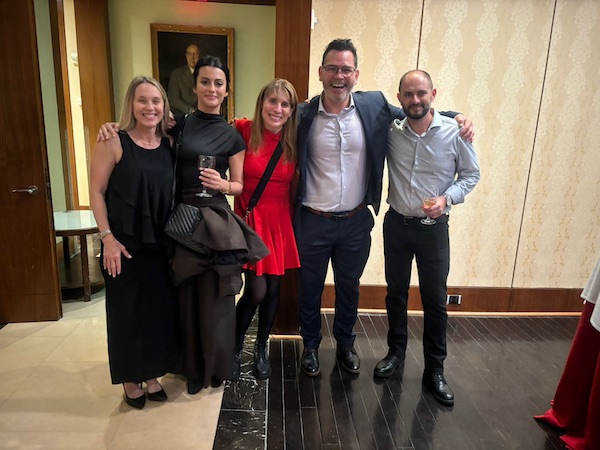
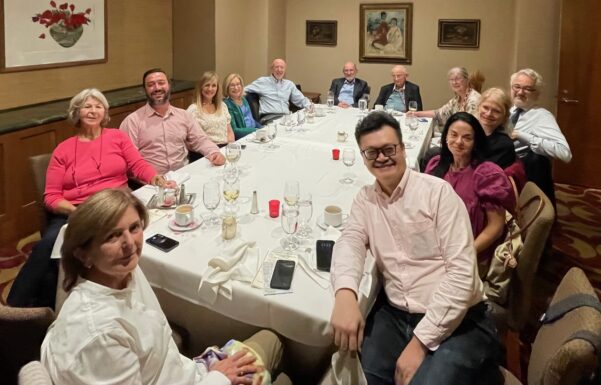
As always, there were spaces for the social life of our society, already constituted as a family; there were breakfasts, dinners, and other instances in which the attendees could, beyond the academic, connect and reconnect. We leave you with found memories that were gathered by the Public Relation and Communications Committee.

Unfortunately, three days are always too few for us. We can only wait two years with the hope of meeting in Vienna in 2026.

See you soon! Best wishes, 

Veronica and Diana for the Public Relations and Communication Committee


Ps. Veronica Steiner

Veronica Steiner Segal is a Chilean clinical psychologist who graduated in 1998. Since her beginnings she has been working with patients with Severe Personality Disorders in different health institutions in her country, and since 2018 she is a certified TFP therapist. In 2019 she obtained her accreditation as a teacher and supervisor. Since the same year she is coordinator of Grupo TFP Chile. She is the Executive Officer for the Board and she collaborates with the T&E Committee. She also teaches at the University of Valparaiso, in the Department of Psychiatry, where she also teaches in the Diploma of Severe Personality Disorders.
She collaborates in different courses looking for the diffusion of TFP. Together with Luis Valenciano and Pepa Gonzalez she directs an important training in TFP for Spanish speaking students, Instituto TFP Hispanoamerica.

TFP Chile WebsitE
Diana Tellez

Diana Téllez Quiroz, PhD

Diana Téllez has been a Psychodynamic Psychotherapist since 2005. She obtained a Master’s in Psychotherapy for Children, Adolescents, and Adults in 2009 and a Doctorate in Psychoanalytic Psychotherapy from the Mexican Psychoanalytic Association in 2012.

She holds a PhD and Master’s in APM. Certified supervisor, teacher, and therapist in TFP, Circle of Security, and AAI. Psychologist with experience in personality disorders, specializing in MBT and EFT. Member of ISTFP and ISSPD.

Author’s website

Innovations in TFP supervision – focusing on the first three minutes of the session

News

In this newsletter issue we chose to focus on innovative aspects of supervision in TFP. To achieve that goal, we will focus on a paper by Drs. Valenciano and Hersh: ‘A Novel Approach to Supervision of Transference-Focused Psychotherapy (TFP): Examining the First Three Minutes of the TFP Session,’ that presented us with a particularly intriguing take. Of note, this reading highlighted for us the increasing need for quantitative research on TFP supervision. We would like to invite all of you to share any innovative research or share ongoing projects. Please consider submitting your work to allow us to diffuse it to the community through our ISTFP-PRESS service.

As we all know, TFP consists of highly structured elements surrounding an exploratory core. Throughout a TFP-based treatment, the therapist is encouraged to keep an eye on reality and common sense and logic, while being open to unconscious elements of mental functioning. As such, the TFP therapist is required to learn to walk a fine line between different levels of neutrality. Learning to appropriately choose when, to what extent, and with what new attitude to temporarily abandon neutrality is, perhaps, to the most difficult task to learn.

This article contains exclusive content for ISTFP members.

If you already are a member of the ISTFP, login to read the full text. If you are not a current member of the ISTFP and want to enjoy all of our exclusive content such as blog posts and other resources, please click one of the links below and follow the instructions provided. We look forward to welcoming you to our community.


Renew Now or Join the ISTFP
Already a member? Log in here

Silvia Bernardi

Silvia Bernardi

Silvia Bernardi, MD, is an Assistant Professor of Psychiatry at Columbia University. After graduating from medical school in Florence Italy in 2006, Silvia emigrated to the USA to work intensively in neuroscience research, studying the bases of the interaction between emotions and cognition. Silvia completed her residency in Psychiatry at Columbia and has since practiced privately in New York. She trained in Transference Focused Psychotherapy and continues to see patients for medication management and psychotherapy while conducting her research to unlock further knowledge to support the biological underpinnings of TFP and borderline personality disorder.

Author’s website
Glauco Valdivieso

Glauco Valdivieso

Glauco Valdivieso is a Peruvian psychiatrist, psychotherapist, and researcher based in Lima, Peru. He completed his medical degree at the Universidad Nacional Mayor de San Marcos and specialized in psychiatry at the Hospital Nacional Víctor Larco Herrera, becoming a board-certified psychiatrist in 2018.

He is a certified psychotherapist in Transference-Focused Psychotherapy (TFP), trained by the International Society of Transference-Focused Psychotherapy (ISTFP). In addition, he has completed formal training in Cognitive Psychotherapy, Dialectical Behavior Therapy (DBT), and Mentalization-Based Treatment (MBT).

More information

Dr. Valdivieso is the co-founder and medical director of the Instituto Peruano para el Estudio y Abordaje Integral de la Personalidad (IPEP), where he also coordinates the TFP Peru division. He founded and currently leads the Chapter on Personality Disorders within the Peruvian Psychiatric Association (APP), and works at the Mental Health Unit of Hospital de Villa El Salvador in Lima.

He is also a co-founder and editorial board member of the Latin American Journal of Personality, a collaborative initiative with the Instituto Argentino para el Estudio de la Personalidad y sus Trastornos (IAEPD). Additionally, he serves on the editorial board of the Peruvian Journal of Psychiatry. Internationally, he is a Board Member of the International Society for the Study of Personality Disorders (ISSPD), where he chairs the Communications Committee and leads the Latin American Regional Group.

His main clinical and research interests include the treatment of personality and mood disorders, with a particular focus on advancing research in Transference-Focused Psychotherapy (TFP).

Author’s facebook page

The ISTFP Training Committee’s reflections on supervision

News

The increasing family and community of ISTFP members just met in New York for our 8th Biennial Conference, many in person and some by streaming. We, of course, devoted some activities to the field of teaching and supervision. One of them was the in-person Training and Education Committee meeting on September 27th, which allowed members of the committee to deepen certain important themes.

During that meeting, the T & E Committee reached the conclusion that our therapists in training are getting more and more consistent with what we may call the macroscopic aspects of supervision.

Let me explain by doing an artificial division in our practice.

Mathieu Norton-Poulin, M.Ps. is a licensed psychologist based in Québec, Canada. He earned a master’s degree in psychology from Université Laval, graduating with high honours in 1995. He complemented his academic training with extensive postgraduate study in the psychodynamic treatment of severe personality disorders, focusing mainly on the mastery of Transference Focused Psychotherapy.He is a member of l’Ordre des psychologues du Québec and, since 2011, of the International Society for Transference-Focused Psychotherapy (ISTFP), where he now co-chairs the Public Relations & Communications Committee. Mathieu Norton-Poulin is a certified TFP therapist since 2014 and currently training to become TFP teacher and supervisor. He is working at the Institut de Psychologie Clinique de Gatineau, providing TFP treatment for adults suffering from personality disorders. In addition, he supervises clinicians seeking advanced skills in personality-disorder treatment. Beyond clinical work, Mathieu Norton-Poulin is a Research Associate with the Centre for Understanding Personality (CUSP)—a collaborative programme linking Oxford University, Queen Mary University of London and the U.K. NHS. He has also organized many local and international TFP training. A seasoned educator and speaker, Mathieu Norton-Poulin has lectured on contemporary psychoanalytic approaches and TFP to medical professionals and college students. His recent publications include co-authoring textbook chapters on personality development from Kernberg’s object-relation perspective and writing an editorial on neuropsychoanalysis.

This article contains exclusive content for ISTFP members.

If you already are a member of the ISTFP, login to read the full text. If you are not a current member of the ISTFP and want to enjoy all of our exclusive content such as blog posts and other resources, please click one of the links below and follow the instructions provided. We look forward to welcoming you to our community.


Renew Now or Join the ISTFP
Already a member? Log in here

Luis Valenciano

Psychiatrist, Executive Officer for the Board of the ISTFP, and currently the Chief Trainee and Supervision Committee member

Luis Valenciano is a physician and psychiatrist, formerly the Executive Officer for the Board of the ISTFP, and currently the Chief Trainee and Supervision Committee member.
After passing the MIR, he trained in Psychiatry at the General Hospital of Murcia under the tutelage of Professor Demetrio Barcia. He specialized in psychotherapy at the Madrid Psychoanalytic Center and Elipsis.
In 2007, he co-founded the first Personality Disorders Program in the Region of Murcia, where he worked until 2021 before dedicating himself to private practice. Since 2006, he has worked with Professor Otto Kernberg in New York and is currently a member of the Board of Directors of the ISTFP. From Murcia, he sees patients and supervises therapists internationally, in addition to teaching at various institutions. In recent years, he has also co-founded the Instituto TFP Hispanoamérica with other colleagues.

    Let’s meet Sergio Fernández-Miranda from Spain

    News

    From the comfortable yet significant confines of his private practice in Andalusia, southern Spain, Sergio Fernández-Miranda has dedicated his professional life to understanding and treating the human mind. His career as a psychiatrist and psychotherapist encompasses extensive experience in the public healthcare system, including five years at a Day Hospital and ten years as a psychiatric residency tutor. Since 2021, he has transitioned to focusing on his private practice

    This article contains exclusive content for ISTFP members.

    If you already are a member of the ISTFP, login to read the full text. If you are not a current member of the ISTFP and want to enjoy all of our exclusive content such as blog posts and other resources, please click one of the links below and follow the instructions provided. We look forward to welcoming you to our community.


    Renew Now or Join the ISTFP
    Already a member? Log in here

    Ps. Veronica Steiner

    Veronica Steiner Segal is a Chilean clinical psychologist who graduated in 1998. Since her beginnings she has been working with patients with Severe Personality Disorders in different health institutions in her country, and since 2018 she is a certified TFP therapist. In 2019 she obtained her accreditation as a teacher and supervisor. Since the same year she is coordinator of Grupo TFP Chile. She is the Executive Officer for the Board and she collaborates with the T&E Committee. She also teaches at the University of Valparaiso, in the Department of Psychiatry, where she also teaches in the Diploma of Severe Personality Disorders.
    She collaborates in different courses looking for the diffusion of TFP. Together with Luis Valenciano and Pepa Gonzalez she directs an important training in TFP for Spanish speaking students, Instituto TFP Hispanoamerica.

    TFP Chile WebsitE

    Transference Focused Psychotherapy: Fundamental concepts – Belgium 2024

    Europe, Seminars

    Psyclimède – SSTFP-Suisse romande

    8 certified hours

    October 25t and 26, 2024

    Registration end date October 11th, 2024

    Transference Focused Psychotherapy: Fundamental concepts – Belgium 2024

    French-In person and online (hybrid) (Espace Prémontrés – 40, rue des Prémontrés – 4000 Liège.)
    Louis Diguer
    Submit your application by following the registration link

    INFORMATION | REGISTRATION

    [Read more…] about Transference Focused Psychotherapy: Fundamental concepts – Belgium 2024

    Friends of the ISTFP – Fourth ESSPD Summer School 2025

    Uncategorized

    Investigating Psychosocial Dysfunction in Personality Disorders

    The European Society for the Study of Personality Disorders (ESSPD) is proud to announce the fourth ESSPD Summer School for early career researchers, organized in collaboration with the University of Parma, Department of Medicine and Surgery, Section of Psychiatry, with the financial support of the Cariparma Foundation and the Personality Disorders Lab.

    Aims

    The aim of the summer school is to increase the methodological competencies in conducting high quality research in the domain of psychosocial functioning and recovery in personality disorders (PD) from multiple perspectives. It will be acheived by interactive presentations, group discussions, speed-talk presentations.

    Research topics

    The research topics will focus on trajectories of psychosocial functioning in PD and associated risk and protective factors; neurobiological correlates of the processes involved in social functioning and social learning; computational approaches to study social functioning; inclusion of the perspective of people with lived experience in research designs on recovery; and treatment strategies to address self and interpersonal functioning.

    Date and location

    The Summer School will take place on August 31st (arrival day) – September 6th (departure day), 2025 at the Alba del Borgo agriturismo (province of Parma, Italy). This friendly residential context for both teachers and students ensures many spaces and informal occasions to create networks among participants. 

    Faculty

    Katja Bertsch
    Professor of Clinical Psychology and Psychotherapy, Department of Psychology,
    Julius-Maximilians-Universität Würzburg, Würzburg, Germany

    Rasa Barkauskiené
    Developmental Psychopathology Research Center, Institute of Psychology,
    Vilnius University, Vilnius, Lithuania

    Chiara De Panfilis
    Associate Professor in Psychiatry, Department of Medicine and Surgery,
    University of Parma, Parma, Italy

    Filip De Fruyt
    Department of Developmental, Personality and Social Psychology,
    Ghent University, Ghent, Belgium

    Joost Hutsebaut
    De Viersprong National Institute for Personality Disorder,
    Halsteren, The Netherlands

    Paolo Ossola
    Associate Professor in Psychiatry, Department of Medicine and Surgery,
    University of Parma, Parma, Italy

    Luca Sasdelli
    ESSPD Lived Experience Group and Bologna Recovery College,
    Bologna, Italy

    Registration process

    Applications must be forwarded by e-mail to [email protected] and received by February 1st, 2025.

    All applications must contain a letter of motivation, a curriculum vitae and a 1-page summary of the relevant research project and how it relates to the applicant’s motivation to attend the Summer School (in one PDF file). Applications from early career researchers affiliated with an Eastern European University are encouraged.

    All PhD students, MDs, or early post-doctoral fellows affiliated with a European university are welcome to the summer camp.

    Fees

    EUR 900 (full fee); EUR 450 (reduced fee for participants from Eastern European countries). Both fees include registration to all scientific activities, six overnight stays at Alba del Borgo (in double or triple rooms) , all meals/coffee breaks, and organized leisure activities, including the use of the delightful wellness centre of the farm.

    Organizing committee

    2025 ESSPD Summer School Work Group
    Chiara De Panfilis, Joost Hutsebaut, Ueli Kramer, Michaela Swales

    Click here to get the event flyer

    Evaluating change in transference, interpersonal functioning, and trust processes in the treatment of borderline personality disorder: a single-case study using ecological momentary assessment

    Uncategorized

    Kevin B. Meehan, PhD, Nicole M. Cain, PhD, Michael J. Roche, PhD, Eric A. Fertuck, PhD, Julia F. Sowislo, PhD, and John F. Clarkin, PhD


    Transference-focused psychotherapy (TFP) is an empirically supported treatment for borderline personality disorder (BPD) that improves functioning via targeting representations of self affectively relating to others, particularly as evoked in the therapeutic relationship. If change in TFP operates as theorized, then shifts in patterns of “self affectively relating to others” should be observed in the transference prior to shifts in daily relationships. Using ecological momentary assessment (EMA), a patient with BPD rated daily interpersonal events for 2-week periods during 18 months of TFP; at 9 and 18 months these ratings included interactions with the therapist. Results suggest that positive perceptions of her therapist that ran counter to her negatively biased perception in other relationships preceded changes in her perceptions of others. EMA shifts corresponded to improvements in self-reported symptoms, interview- based personality functioning, and therapist assessments. Implications for assimilation of a trusting experience with the therapist as a mechanism of change in TFP are discussed.

    Meehan, K. B., Cain, N. M., Roche, M. J., Fertuck, E. A., Sowislo, J. F., & Clarkin, J. F. (2023). Evaluating Change in Transference, Interpersonal Functioning, and Trust Processes in the Treatment of Borderline Personality Disorder: A Single-Case Study Using Ecological Momentary Assessment. Journal of Personality Disorders, 37(5), 490–507. https://doi.org/10.1521/pedi.2023.37.5.490

    This article contains exclusive content for ISTFP members.

    If you already are a member of the ISTFP, login to read the full text. If you are not a current member of the ISTFP and want to enjoy all of our exclusive content such as blog posts and other resources, please click one of the links below and follow the instructions provided. We look forward to welcoming you to our community.


    Renew Now or Join the ISTFP
    Already a member? Log in here

    Transference-Focused Psychotherapy and trust processing in BPD: exploring possible mechanisms of change

    Uncategorized

    Authors: Eric A. Fertuck, PhD, Emanuele Preti, PhD, and John F. Clarkin, PhD

    Individuals with borderline personality disorder (BPD) struggle to identify whom they can safely trust, and this struggle contributes to profound
    emotional turmoil in their close relationships. Transference-focused psychotherapy (TFP) is an application of object relations theory (ORT) that posits that polarized mental representations of self and other define the personality organization of BPD. TFP aims to utilize a clear treatment frame coupled with an analysis of the therapeutic relationship (i.e., the transference) to help individuals with BPD integrate their polarized mental representations. Improvement in the capacity to trust others is inherent in the mechanisms of change in TFP. In this article, a social cognitive model of trust processing provides a new lens through which we formulate how TFP may enhance trust processing in BPD. Recent evidence from randomized clinical trials supports the argument that TFP may intervene with BPD in a way that is concordant with uniquely improved trust processing

    Fertuck, E. A., Preti, E., & Clarkin, J. F. (2023). Transference-Focused Psychotherapy and Trust Processing in BPD: Exploring Possible Mechanisms of Change. Journal of Personality Disorders, 37(5), 620–632. https://doi.org/10.1521/pedi.2023.37.5.620

    This article contains exclusive content for ISTFP members.

    If you already are a member of the ISTFP, login to read the full text. If you are not a current member of the ISTFP and want to enjoy all of our exclusive content such as blog posts and other resources, please click one of the links below and follow the instructions provided. We look forward to welcoming you to our community.


    Renew Now or Join the ISTFP
    Already a member? Log in here

    Psychosis and personality

    Europe, Seminars

    TFP-Switzerland

    3 certified hours

    November 1, 2024

    Registration end date October 14th, 2024

    Psychosis and personality

    French-In person and online (hybrid) (Lausanne, Switzerland)
    Louis Diguer
    Submit your application by following the registration link

    INFORMATION | REGISTRATION

    [Read more…] about Psychosis and personality

    Transference-Focused Psychotherapy (TFP) Foundational Training – Online 2025

    Asia, Seminars

    Si Chuan He Guang Clinical Psychology Institute

    4 weekend seminar package

    Begins Saturday, May 10th 2025

    Transference-Focused Psychotherapy (TFP) Foundational Training – Online 2025

    English – Online with Chinese translation
    Tennyson Lee, Kenneth N. Levy, Philipp Martius, Mathieu Norton-Poulin
    Submit your application by following the registration link with mail header format: TFP Training Application + Your Name

    INFORMATION | REGISTRATION

    [Read more…] about Transference-Focused Psychotherapy (TFP) Foundational Training – Online 2025

    Key technical modifications and challenges in the therapy of patients with a diagnosis of NPD – Online 2024

    Europe, Seminars

    Centre for Understanding Personality (CUSP)

    4th of a 4 seminar package

    Friday, 6 Dec 2024

    09:00 – 12:00 GMT-4

    Key technical modifications and challenges in the therapy of patients with a diagnosis of NPD – Online 2024

    English – Online
    Ewa Mach
    Nikolas Ragidadakos
    Tennyson Lee

    INFORMATION | REGISTRATION

    [Read more…] about Key technical modifications and challenges in the therapy of patients with a diagnosis of NPD – Online 2024

    Key aspects of how to prepare patients with a diagnosis of NPD for therapy – Online 2024

    Europe, Seminars

    Centre for Understanding Personality (CUSP)

    3rd of a 4 seminar package

    Friday, 1 Nov 2024

    09:00 – 12:00 GMT-4

    Key aspects of how to prepare patients with a diagnosis of NPD for therapy – Online 2024

    English – Online
    Nikolas Ragiadakos
    Ewa Mach
    Tennyson Lee

    INFORMATION | REGISTRATION

    [Read more…] about Key aspects of how to prepare patients with a diagnosis of NPD for therapy – Online 2024

    Key aspect in the assessment of patients with a diagnosis of NPD – Online 2024

    Europe, Seminars

    Centre for Understanding Personality (CUSP)

    2nd of a 4 seminar package

    Friday, 4 Oct 2024

    09:00 – 12:00 GMT-4

    Key aspect in the assessment of patients with a diagnosis of NPD – Online 2024

    English – Online
    Annelize Taylor
    Tennyson Lee

    INFORMATION | REGISTRATION

    [Read more…] about Key aspect in the assessment of patients with a diagnosis of NPD – Online 2024

    Transference Focused Psychotherapy for Narcissistic Personality Disorder – First Online seminar 2024

    North America, Seminars

    Centre for Understanding Personality (CUSP)

    1th of a 4 seminar package

    Friday, 6 Sep 2024

    09:00 – 12:00 GMT-4

    Transference Focused Psychotherapy for Narcissistic Personality Disorder – Online seminar 2024

    English – Online
    Ken Levy
    Tennyson Lee

    INFORMATION | REGISTRATION

    [Read more…] about Transference Focused Psychotherapy for Narcissistic Personality Disorder – First Online seminar 2024

    The 8th ISTFP Conference

    News

    0

    … days until the 8th ISTFP biennial conference. Yes, I am counting the days. Why? Because it has been six years since we all gathered together in mind AND body to further our knowledge of TFP and feel the warmth of our community. I have missed the stimulation of sharing ideas face to face with our elders, esteemed colleagues and esteemed colleagues who became friends along the road. And since the whole Public Relations and Communications Committee feels the same, we decided to make this edition about the upcoming ISTFP conference and the city where it will be held, New York. If you have not registered yet, you can do so by following this link.

    I was there during the first conference in White Plains, NY in 2011 and have been coming every two years since. Every occurrence has left me with insights and experiences that have had a profound impact on me and my practice of TFP. In this article, I will try to tell the story of the ISTFP conference from the participant perspective so previous attendees can reminisces on past convention and new ones have all they need to enjoy it to the fullest. For a more formal history of the conference, I suggest reading this excellent article by Theophilus Kok that was published in the October 2022 members Newsletter.

    This article contains exclusive content for ISTFP members.

    If you already are a member of the ISTFP, login to read the full text. If you are not a current member of the ISTFP and want to enjoy all of our exclusive content such as blog posts and other resources, please click one of the links below and follow the instructions provided. We look forward to welcoming you to our community.


    Renew Now or Join the ISTFP
    Already a member? Log in here

    Mathieu Norton-Poulin

    Mathieu Norton-Poulin, M.Ps.

    Mathieu Norton-Poulin is a psychologist in private practice in Gatineau, Québec. He graduated from Laval University in 1995 and started his training in transference focused psychotherapy in 2005. Member of the TFP-Québec group he as been practicing as a certified TFP therapist for the last 11 years. Since 2009 he organized several training events and has given lectures on TFP for medical doctors and college students. He maintains a blog where he write, in plain words, articles to explain TFP to the general public.
    Read author’s Blog

    A word from the president – July 2024

    News

    Down from Olympus… and on to New York

    Dear Colleagues,

    We all make mistakes. Mathieu Norton-Poulin, in his very personal article about attending ISTFP conferences over the years, points out a frequent error that people make: idealizing others. This is very understandable. We get comfort from the idea of someone who could have all the answers and solve all our problems. But, as we know, idealization is very dangerous. It is dangerous because it is not based in reality. In discussing Otto Kernberg’s cautioning people against the risk of idealizing him, Mathieu mentioned the risk of envy and aggression associated with idealization. We can go even further in our critique of idealization. For example, idealization of the leader is an implicit devaluing of the group. Otto Kernberg has always insisted that all members of the group have an important role in advancing our thinking and practice. This emphasis on the role of all members of the group was evident as the Personality Disorders Institute developed at the Weill Cornell Medical College. It is happening in a parallel way as we see the growth of the International Society for TFP. The whole is far stronger than any single member of the organization. Our organization has evolved into an incredibly creative and productive group.

    This article contains exclusive content for ISTFP members.

    If you already are a member of the ISTFP, login to read the full text. If you are not a current member of the ISTFP and want to enjoy all of our exclusive content such as blog posts and other resources, please click one of the links below and follow the instructions provided. We look forward to welcoming you to our community.


    Renew Now or Join the ISTFP
    Already a member? Log in here

    Frank E. Yeomans, MD, PhD

    Frank E. Yeomans, MD, PhD, is a Clinical Professor of Psychiatry at the Joan and Sanford I. Weill Medical College and Graduate School of Medical Sciences of Cornell University. He is a Senior Consultant in and teaches internationally for the Personality Disorders Institute, and is in private practice in White Plains and New York City.

    Author’s Website

    Exploring NYC Through TFP

    News

    Uncovering City Adventures

    Hello, I’m Diana Téllez from Mexico, and years ago, New York captured my heart on my first visit. I have been fortunate enough to explore the city on various occasions: with family, a partner, children, for work, or on vacation. These varied experiences reflect my deep passion for the city, making it one of my favorite destinations in the world. As the saying goes, “New York is always a good idea,” so if you are considering coming to the congress, I assure you that choosing it as the venue was an excellent decision.

    With the same enthusiasm, I want to share some suggestions for having fun, based on what I would have liked to know on my first visits to New York. I hope these recommendations help you fall in love with the city as much as I have.

    This article contains exclusive content for ISTFP members.

    If you already are a member of the ISTFP, login to read the full text. If you are not a current member of the ISTFP and want to enjoy all of our exclusive content such as blog posts and other resources, please click one of the links below and follow the instructions provided. We look forward to welcoming you to our community.


    Renew Now or Join the ISTFP
    Already a member? Log in here

    Diana Tellez

    Diana Téllez Quiroz, PhD

    Diana Téllez has been a Psychodynamic Psychotherapist since 2005. She obtained a Master’s in Psychotherapy for Children, Adolescents, and Adults in 2009 and a Doctorate in Psychoanalytic Psychotherapy from the Mexican Psychoanalytic Association in 2012.

    She holds a PhD and Master’s in APM. Certified supervisor, teacher, and therapist in TFP, Circle of Security, and AAI. Psychologist with experience in personality disorders, specializing in MBT and EFT. Member of ISTFP and ISSPD.

    Author’s website

    The Scientific Symposia of the 8th ISTFP Conference

    News

    SYMPOSIUM 1 – Efficacy and effectiveness studies in TFP / Chair: Stephan Doering

    1. Jonathan Radcliffe, E. Fertuck, E. Preti, M. Boden,T. Dewhurst,C. Reeves Mates, C.Tuckett, P. Birch: The UK Study
    2. Annemieke Noteboom, M. Kaan, R. van Grieken, R. Kortrijk, N. Draijer, R. Van: Dyads – Effectiveness and Process of Change of Transference-focused Psychotherapy for Patients with Treatment Refractory Borderline and Narcissistic Personality Disorders
    3. Agnieszka Izdebska, M. Olga Jańczak, J. Franczyk-Glita: The Effectiveness of Transference-Focused Psychotherapy for Personality Disorders: A Protocol of RCT in Poland (TFP-PL Study)
    4. Joan Vegué, MJ Rufat, I. De Ángel, V. López, M. Ferrer, E. Sánchez: An experience of Applied Transference Focused Psychotherapy in a Rehabilitation Service for people with Borderline Personality Organization in Barcelona: assessment of results.
    5. John F. Clarkin, J. Sowislo, M. Lenzenweger: Preliminary Findings from the Weill Cornell Personality Disorders Institute (PDI) Study of Trajectory of Change
    6. Cecily Jahn, M. Hellmich, N. Kreutzer, S. Bender, M. Krischer: Decrease in Hospitalizations Among Adolescents with Borderline Personality Organization After TFP-A Day Clinic Treatment – A 2-Year Follow-Up

    SYMPOSIUM 2 – Validation of the STIPO-R: results from five different countries and languages / Chair: Susanne Hörz-Sagstetter & Leonie Kampe

    This article contains exclusive content for ISTFP members.

    If you already are a member of the ISTFP, login to read the full text. If you are not a current member of the ISTFP and want to enjoy all of our exclusive content such as blog posts and other resources, please click one of the links below and follow the instructions provided. We look forward to welcoming you to our community.


    Renew Now or Join the ISTFP
    Already a member? Log in here

    • « Go to Previous Page
    • Page 1
    • Page 2
    • Page 3
    • Page 4
    • Page 5
    • Interim pages omitted …
    • Page 7
    • Go to Next Page »
    • Home
    • Contact
    • Privacy

    © 2012–2026 ISTFP · All Rights Reserved · Website Design and Maintenance by MadRiverWeb.com · Contact ISTFP Webmaster