
• Skip to content
ISTFP.ORG

ISTFP.ORG

International Society of Transference-Focused Psychotherapy

Advancing Treatment of Borderline Personality Disorder

  • Home
    • Latest News
    • Upcoming Trainings
    • Books
  • About ISTFP
    • History of ISTFP
    • Executive Board
    • International Groups
    • ISTFP Committees
    • ISTFP Biennial Conferences
    • Contact
  • News
  • Treatment
    • About Transference-Focused Psychotherapy (TFP)
    • About Borderline Personality Disorder
    • Research on TFP
    • TFP for Groups
    • Applied TFP for Couples
    • TFP for Adolescents (TFP-A)
    • TFP for Narcissistic Patients
    • TFP for Neurotic Personality Organization (DPHP)
    • TFP in Forensic Psychiatry (TFFP)
    • Inpatient TFP
    • Find a TFP Therapist
  • Publications
    • Transference Focused Psychotherapy Online Library
    • TFP Books
    • Diagnostic Instruments
  • Training
    • Upcoming TFP Trainings
      • TFP Trainings North America
      • TFP Trainings Latino America
      • TFP Trainings Europe
      • TFP Trainings Asia
    • Training in TFP
    • Levels of Certification
      • TFP Therapist Certificates
    • Teacher and Supervisor Curriculum
    • Directory of Certified TFP Teachers and Supervisors
    • Archive of TFP Training Seminars
    • Archive of TFP Training Courses
  • Membership
    • Join the ISTFP
    • Membership Account
    • Your Profile
    • Member Account FAQ
    • Contributing Content
    • Supervisor Resources
    • Log In

Beyond Replacement: Why the Future of Psychotherapy Depends on Human Depth and Artificial Precision

Uncategorized

Each article is available in two versions: one written by a human author and one generated entirely by AI. Click on the version you want to read and experience how far AI-generated writing has evolved.

ChatGPT (Open AI)

Mathieu Norton-Poulin

Mathieu Norton-Poulin

Veronica Steiner

The recent article by Michal Novák, “Not Therapists, But Therapy: What AI Might Replace,” raises an important and unavoidable question for the future of mental health care: if artificial intelligence becomes increasingly capable of conducting therapeutic conversations, what exactly remains uniquely human in psychotherapy?

We agree with Dr. Novák on several essential points. Artificial intelligence will almost certainly become deeply integrated into the mental health field. Many patients already turn to AI systems for emotional support, reflection, companionship, or guidance. The accessibility, permanence, affordability, and responsiveness of these systems make them psychologically compelling. Ignoring this reality would be naïve.

This article contains exclusive content for ISTFP members.

If you already are a member of the ISTFP, login to read the full text. If you are not a current member of the ISTFP and want to enjoy all of our exclusive content such as blog posts and other resources, please click one of the links below and follow the instructions provided. We look forward to welcoming you to our community.


Renew Now or Join the ISTFP
Already a member? Log in here

AI and the Future of Psychotherapy: Toward Therapist-Less Treatments?

News

Each article is available in two versions: one written by a human author and one generated entirely by AI. Click on the version you want to read and experience how far AI-generated writing has evolved.

ChatGPT (Open AI)

Mathieu Norton-Poulin

Mathieu Norton-Poulin

Veronica Steiner

A year ago, Veronica and I published an article asking whether we should fear artificial intelligence from different perspectives: what is the nature of what is commonly called AI, could it develop sentience and personality, and could it replace psychotherapy or psychotherapists? In the same issue of the Newsletter, Silvia also wrote, in this article, about how AI represented a paradigm-shifting event while underlining its lack of agency.

Using Kernberg’s theory of personality, we argued that AI does not have the necessary elements to develop consciousness or personality, but only a superficial simulation. Concerning psychotherapy, our final conclusion was that, while some data suggest that AI can achieve excellent adherence to cognitive-behavioral models of psychotherapy, it does not have the necessary elements to offer an efficient alternative to psychodynamic treatments like Transference-Focused Psychotherapy. TFP relies heavily on many elements of the therapist’s personality, notably the capacity to activate affective states in reaction to the patient’s affective activation, observe behavioral patterns (both in patient and therapist), and develop organized cognitive object representations of these affective, behavioral, and fantasy-symbolic phenomena into relational dyads.

Last October, during the TFP supervisor conference in Amsterdam, a fellow member, Michal Novák, took me aside during the conference dinner to express his conviction that, for a certain population of users, AI could function as a sufficient relational object – one whose responsiveness allows it to receive projections and to be experienced as relationship. It was interesting to hear a perspective different from our own. Since it was neither the place nor the time to engage in a lengthy discussion about the matter, we regretfully did not deepen the discussion. Nevertheless, his perspective left me wondering.

The next time I heard from him was when he emailed me to say that he had written an article for the website of the American Psychoanalytic Association in response to what we had written.

That was the main trigger for this Newsletter entirely dedicated to AI. We thought it would set the context for a very interesting discussion that could benefit our whole community.

This article contains exclusive content for ISTFP members.

If you already are a member of the ISTFP, login to read the full text. If you are not a current member of the ISTFP and want to enjoy all of our exclusive content such as blog posts and other resources, please click one of the links below and follow the instructions provided. We look forward to welcoming you to our community.


Renew Now or Join the ISTFP
Already a member? Log in here

Mathieu Norton-Poulin

Mathieu Norton-Poulin, M.Ps.

Mathieu Norton-Poulin is a psychologist in private practice in Gatineau, Québec. He graduated from Laval University in 1995 and started his training in transference focused psychotherapy in 2005. Member of the TFP-Québec group he as been practicing as a certified TFP therapist for the last 11 years. Since 2009 he organized several training events and has given lectures on TFP for medical doctors and college students. He maintains a blog where he write, in plain words, articles to explain TFP to the general public.

Read author’s Blog

Ps. Veronica Steiner

Veronica Steiner Segal is a Chilean clinical psychologist who graduated in 1998. Since her beginnings she has been working with patients with Severe Personality Disorders in different health institutions in her country, and since 2018 she is a certified TFP therapist. In 2019 she obtained her accreditation as a teacher and supervisor. Since the same year she is coordinator of Grupo TFP Chile. She is the Executive Officer for the Board and she collaborates with the T&E Committee. She also teaches at the University of Valparaiso, in the Department of Psychiatry, where she also teaches in the Diploma of Severe Personality Disorders.
She collaborates in different courses looking for the diffusion of TFP. Together with Luis Valenciano and Pepa Gonzalez she directs an important training in TFP for Spanish speaking students, Instituto TFP Hispanoamerica.

TFP Chile WebsitE

A word from the president – April 2026

News

Our Newsletter editors and writers have once again provided us with a rich set of texts. In addition, there is a podcast produced by the Carlat Group in which I discuss TFP. You will all be familiar with the information in the podcast but we include it because it might be of interest to non-TFP colleagues who would like to know more about what we do.

This article contains exclusive content for ISTFP members.

If you already are a member of the ISTFP, login to read the full text. If you are not a current member of the ISTFP and want to enjoy all of our exclusive content such as blog posts and other resources, please click one of the links below and follow the instructions provided. We look forward to welcoming you to our community.


Renew Now or Join the ISTFP
Already a member? Log in here

Frank E. Yeomans, MD, PhD

Frank E. Yeomans, MD, PhD, is a Clinical Professor of Psychiatry at the Joan and Sanford I. Weill Medical College and Graduate School of Medical Sciences of Cornell University. He is a Senior Consultant in and teaches internationally for the Personality Disorders Institute, and is in private practice in White Plains and New York City.

Author’s Website

AI Tools for TFP Therapists – What They Can Offer and What It May Cost

News

Claude AI

Michal Novák + Claude AI

Imagine this: after a difficult session, you want to consult your clinical formulation with an AI. You paste a fragment of your session notes into a chat window. Within seconds, you receive a thoughtful, well-structured response that helps you see the material from a new angle. But here is the question that should come first: what just happened to your patient’s data?

Artificial intelligence is already influencing psychotherapeutic practice in ways that would have seemed improbable just a few years ago. Some clinicians use it to draft case formulations. Others experiment with it as a thinking partner before supervision. Amy Levy, in a presentation for the APSA Council on AI, described presenting a twenty-year-old nightmare to ChatGPT – a dream about carrots marching in single line into a slaughterhouse. The AI’s response was striking: it asked analytically guided questions that encouraged linking the dream to waking life, invited personal associations, and worked to contain the raw experience of the dream. As Levy observed, the AI offered “transformation out of the discomfort and disorganization of human experiencing” within seconds (APSA Council on AI, 2024). Whether or not we find this reassuring, it demonstrates a capacity that is difficult to dismiss.

This article offers a practical orientation for TFP clinicians who want to understand what current AI tools can do across clinical work, research, writing, and publication – and what using them means for the privacy of our patients’ data. It is not a product guide. Specific platforms and their features change too quickly for any printed recommendation to remain valid for long. Instead, the aim is to provide a framework that helps clinicians evaluate any AI tool, present or future, on their own terms.

This article contains exclusive content for ISTFP members.

If you already are a member of the ISTFP, login to read the full text. If you are not a current member of the ISTFP and want to enjoy all of our exclusive content such as blog posts and other resources, please click one of the links below and follow the instructions provided. We look forward to welcoming you to our community.


Renew Now or Join the ISTFP
Already a member? Log in here

Michal Novák

Michal Novák is a psychologist and psychoanalytic psychotherapist. He works in private practice with adults, providing individual, couples, and family psychotherapy. His training also includes group psychoanalytic psychotherapy, and he is a TFP certified psychotherapist. He participates in the training of candidates in psychoanalytic psychotherapy and transference-oriented psychotherapy.

Author Website

An evolving relationship

News

Each article is available in two versions: one written by a human author and one generated entirely by AI. Click on the version you want to read and experience how far AI-generated writing has evolved.

Gemini AI (Google)

Silvia Bernardi

Silvia Bernardi

Fear of artificial intelligence is spreading and being spread (as a marketing strategy) at an unprecedented speed, almost as fast as the speed at which AI is permeating our daily life. Among other topics, ethicists and AI policymakers talk about universal income, anticipating economic and social disruptions at a global level. In this context, it felt only logical that the topic of this newsletter continues to be the role of AI in our profession as therapists. Data on the use of artificial therapy for humans is slowly trickling in, painting a picture of decent efficacy for the management of clear symptoms of a moderate degree of severity, with manualized interventions (see this excellent Gemini Deep Research review on the current literature below). AI offers a cost-effective, comfortable, and always accessible support, with the additional benefit of avoiding shame and discomfort in the transference (I do not need to highlight how problematic this is, rather than helpful, to this audience).

However, when asked to write this article, the assumption was that I would write about insight-oriented psychotherapy. Given that means expressing opinions, opinions that will inevitably make me look either shortsighted, defensive, or paranoid in 24 months, I did the best I could to avoid writing this piece. I had it written by Claude; the committee told me it felt as if “there was nobody home”. I gave it a comedic turn, which also went nowhere. Encouraged by Michal Novak’s APsA piece, in which he gives voice to the risks associated with anthropomorphism, I decided to attempt to express my preliminary ideas. I want to make clear that my stand is not that of an AI enthusiast. I very much worry about the use of this technology and our own mental health; for one thing, I find it to be inducing manic mood elevations (without entering into well-known cases of horrible outcomes). I worry about the effect it has on our attention. And of course, there are many other worries at a society level that do not escape me. I look at these tools with suspicion, but I do not ignore them because I consider myself a realist. I try to think about life the way I think about my scientific experiments, which means that until something is proven, everything could be.

This article contains exclusive content for ISTFP members.

If you already are a member of the ISTFP, login to read the full text. If you are not a current member of the ISTFP and want to enjoy all of our exclusive content such as blog posts and other resources, please click one of the links below and follow the instructions provided. We look forward to welcoming you to our community.


Renew Now or Join the ISTFP
Already a member? Log in here

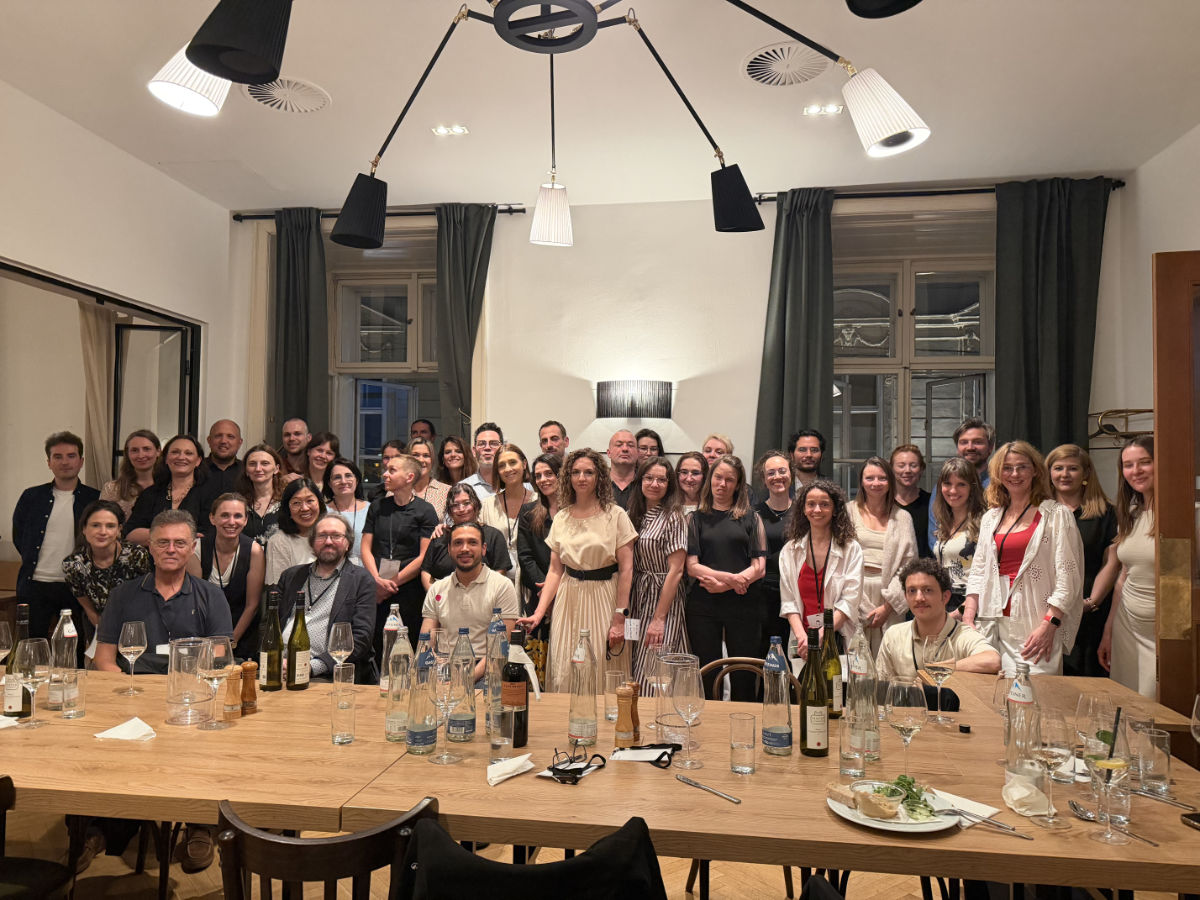
Vienna 2026: Integrating Science, Training, and Global Expansion in the Evolution of the ISTFP

News

ChatGPT (Open AI)

As the International Society for Transference-Focused Psychotherapy convenes for its 9th Biennial Conference in Vienna (June 4–6, 2026), the Society stands at a particularly generative moment in its institutional development. Far from being a static scientific organization, the ISTFP has, between 2024 and 2026, mobilized its committee structure as a coordinated engine of growth—advancing research, standardizing training, expanding clinical applications, and strengthening its ethical and public presence.

What emerges from a synthesis of all committee initiatives is a coherent, multi-layered strategy: consolidating TFP as an evidence-based treatment while simultaneously expanding its reach across populations, settings, and cultures.

This article contains exclusive content for ISTFP members.

If you already are a member of the ISTFP, login to read the full text. If you are not a current member of the ISTFP and want to enjoy all of our exclusive content such as blog posts and other resources, please click one of the links below and follow the instructions provided. We look forward to welcoming you to our community.


Renew Now or Join the ISTFP
Already a member? Log in here

Let’s remember Christiane Rösch: A warm Presence and a deeply committed Therapist

News

As TFP therapists, we aim to help integrate contradictory emotions. How difficult this task can be is felt when we must cope with the death of a colleague who had such a profound influence on TFP, her colleagues, patients, and loved ones, as our Swiss colleague Christiane Rösch did.

This article contains exclusive content for ISTFP members.

If you already are a member of the ISTFP, login to read the full text. If you are not a current member of the ISTFP and want to enjoy all of our exclusive content such as blog posts and other resources, please click one of the links below and follow the instructions provided. We look forward to welcoming you to our community.


Renew Now or Join the ISTFP
Already a member? Log in here

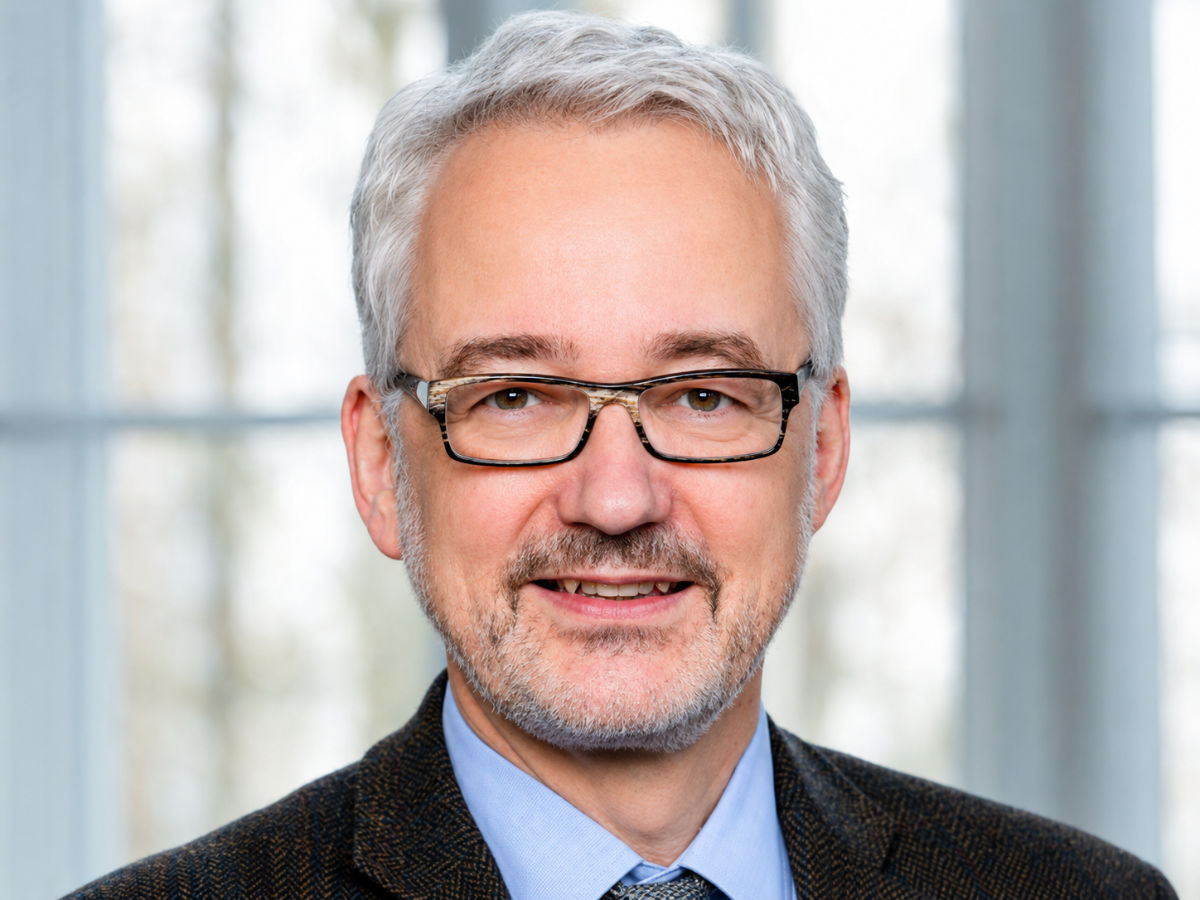
PhDr. Michael Václavík 

After working in a university hospital Ostrava in the psychiatric department, he has been working in his own private psychotherapy practice for more than 20 years. He studied the Rorschach test and experienced group Katathym Imaginative Psychotherapy. He has completed training in psychoanalytic psychotherapy and psychodynamic psychotherapy. In addition to his clinical duties, he is engaged in psychotherapy of postgraduate participants in psychodynamic psychotherapy training, supervision, teaching and lectures in the field of TFP. He is a certified TFP therapist and aspires to T&S certification. He has published the book Hidden Causes of Mental Disorders and is planning to publish the book Vipers we nourish in our bosom.
Author Website

Efficacy and Safety of Artificial Intelligence-Driven Psychotherapy: A Systematic Review and Meta-Analytic Synthesis

Uncategorized

Each article is available in two versions: one written by a human author and one generated entirely by AI. Click on the version you want to read and experience how far AI-generated writing has evolved.

Gemini AI (Google)

Silvia Bernardi

Silvia Bernardi

Date of Review: April 26, 2026

Scope: Systematic evaluation of AI-driven conversational agents (CAs), generative AI (GenAI) chatbots, and predictive algorithms in the treatment of affective, obsessive-compulsive, and substance use disorders.

Abstract

Background: The scalability of mental health interventions is currently limited by human resource constraints. AI-driven psychotherapy has been proposed as a high-accessibility alternative. 

Objectives: To quantify the efficacy of AI-driven psychotherapy across major clinical domains and evaluate the predictive accuracy of machine learning in treatment response. 

Methods: Systematic search of five major databases (PubMed, PsycINFO, Embase, Cochrane Library, and Web of Science) for RCTs and meta-analyses published up to 2026. 

Results: AI-driven interventions demonstrate moderate-to-large effects on depressive symptoms (Hedges g=0.61) and moderate effects on anxiety (Cohen’s  d=0.62).1 GenAI systems such as Therabot show clinically significant symptom reductions in MDD (51%) and GAD (31%). 

Conclusions: AI-driven psychotherapy is a valid intervention for mild-to-moderate symptoms, particularly when utilizing multimodal data and evidence-based protocols.

This article contains exclusive content for ISTFP members.

If you already are a member of the ISTFP, login to read the full text. If you are not a current member of the ISTFP and want to enjoy all of our exclusive content such as blog posts and other resources, please click one of the links below and follow the instructions provided. We look forward to welcoming you to our community.


Renew Now or Join the ISTFP
Already a member? Log in here

Artificial Intelligence in Transference-Focused Psychotherapy: A Critical Guide for TFP Clinicians

Uncategorized

Claude AI

Michal Novák + Claude AI

The integration of artificial intelligence into psychotherapy is no longer a hypothetical scenario – it is already happening, often without the profession’s explicit consent or awareness. TFP therapists, grounded in a tradition that values the complexity of internal object relations, identity diffusion, and the irreducible subjectivity of the therapeutic dyad, may instinctively recoil from the idea of algorithmic tools entering their domain. That instinct is partially justified – and partially a defensive avoidance of a technology that, when used with clinical sophistication, can meaningfully support the work we do.
This article examines three domains where AI intersects with TFP practice – clinical work, research, and professional writing – and addresses the data privacy implications that every therapist must understand before engaging with these tools.

AI in Clinical Work: What It Can and Cannot Do

Let us be direct about the boundaries. AI cannot conduct psychotherapy. It cannot track the micro-shifts in a patient’s affective state during a session, recognize the emergence of a primitive defensive operation in real time, or make the clinical judgment to confront a devaluing transference in the moment. The relational matrix that TFP depends on – the lived experience of being an object for the patient, tolerating projective identification, and using countertransference as data – is fundamentally inaccessible to any current AI system.

What AI can do is assist with the cognitive and administrative labor that surrounds clinical work.

This article contains exclusive content for ISTFP members.

If you already are a member of the ISTFP, login to read the full text. If you are not a current member of the ISTFP and want to enjoy all of our exclusive content such as blog posts and other resources, please click one of the links below and follow the instructions provided. We look forward to welcoming you to our community.


Renew Now or Join the ISTFP
Already a member? Log in here

Two-year training in Transference-Focused Psychotherapy 2026-2028

North America

Columbia University Center for Psychoanalytic Training and Research – Co-sponsored by TFP-NY

63 certified hours

September 2026- June 2028

Online – English – 63 hours of seminars required for TFP certification plus 8 months of consultation hours

Two-year training in Transference-Focused Psychotherapy 2026-2028

English – Online
Submit applications by May 1, 2026
Organizers: Eve Caligor, Barry Stern, Frank Yeomans

INFORMATION | REGISTRATION

[Read more…] about Two-year training in Transference-Focused Psychotherapy 2026-2028

Transference Focused Psychotherapy – Extended (TFP-E) Advanced Training Course – late 2026

Courses, Europe

TFP Netherlands

30 certified hours

October 9, October 30, November 13, November 27, December 11, 2026

09:30 – 16:30

Transference Focused Psychotherapy – Extended (TFP-E) Advanced Training Course late 2026

Day 1 and Day 5 in Hilvarenbeek (in person), Days 2 through 4 online (Zoom) Paul Wijts and Bob de Jong
Email your application by following the registration link

INFORMATION | REGISTRATION

[Read more…] about Transference Focused Psychotherapy – Extended (TFP-E) Advanced Training Course – late 2026

Two-Year Foundational Training in Transference-Focused Psychotherapy (TFP) – Japan 2026

Asia, Courses

TFP-Japan

64 certified hours

May 16, 2026 to April 16, 2028

Registration end date: 16 April 2026

Two-Year Foundational Training in Transference-Focused Psychotherapy (TFP) – Japan 2026

English (Japanese translation)
Online and In-person (Tokyo, Japan)
Veronica Steiner
Mathieu Norton-Poulin

INFORMATION | REGISTRATION

[Read more…] about Two-Year Foundational Training in Transference-Focused Psychotherapy (TFP) – Japan 2026

TFP Extended – An interview with Eve Caligor

News

Each time we plan a Members Newsletter, we take time to reflect on which topics would be most useful for disseminating the model and bringing our community closer together. Since the beginning of the year is a natural moment for reflection on our foundations, we traditionally conduct an assessment of the health of our Society at this time.

This year, we wanted to go further, so we decided to fully embrace this reflective movement at the beginning of 2026. For this reason, we chose to complement our annual assessment with an extensive article on the empirical foundations of TFP. After that, we decided to get a description of some of the new directions into which TFP is expanding and chose to conduct an interview with Dr. Eve Caligor, the main author of the TFP-E manual.

When Veronica and I think about reaching out to our most active members, we are never sure it will work, as they are often so busy that even answering emails can be time-consuming. Every second counts. For this reason, we were very enthusiastic when Eve agreed to do an interview. We were also touched by her openness, as she is a gentle giant in TFP.

Not only is she part of the ISTFP Executive and a member of many committees, but she is also one of our most prolific authors. Despite her central role in the development of TFP, we were surprised to find that, apart from the interview Eve made for the launch of the Handbook of Dynamic Psychotherapy for Higher Level Personality Pathology, there are very few videos of her available online. This is why we were especially delighted when she told us that we could conduct an interview and record the session.

So, dear ISTFP members, come sit with us and enjoy this unique moment with Dr. Eve Caligor. Read on, or follow the link to watch the full interview.

This article contains exclusive content for ISTFP members.

If you already are a member of the ISTFP, login to read the full text. If you are not a current member of the ISTFP and want to enjoy all of our exclusive content such as blog posts and other resources, please click one of the links below and follow the instructions provided. We look forward to welcoming you to our community.


Renew Now or Join the ISTFP
Already a member? Log in here

Mathieu Norton-Poulin

Mathieu Norton-Poulin, M.Ps.

Mathieu Norton-Poulin is a psychologist in private practice in Gatineau, Québec. He graduated from Laval University in 1995 and started his training in transference focused psychotherapy in 2005. Member of the TFP-Québec group he as been practicing as a certified TFP therapist for the last 11 years. Since 2009 he organized several training events and has given lectures on TFP for medical doctors and college students. He maintains a blog where he write, in plain words, articles to explain TFP to the general public.

Read author’s Blog

Ps. Veronica Steiner

Veronica Steiner Segal is a Chilean clinical psychologist who graduated in 1998. Since her beginnings she has been working with patients with Severe Personality Disorders in different health institutions in her country, and since 2018 she is a certified TFP therapist. In 2019 she obtained her accreditation as a teacher and supervisor. Since the same year she is coordinator of Grupo TFP Chile. She is the Executive Officer for the Board and she collaborates with the T&E Committee. She also teaches at the University of Valparaiso, in the Department of Psychiatry, where she also teaches in the Diploma of Severe Personality Disorders.
She collaborates in different courses looking for the diffusion of TFP. Together with Luis Valenciano and Pepa Gonzalez she directs an important training in TFP for Spanish speaking students, Instituto TFP Hispanoamerica.

TFP Chile WebsitE

A word from the president – January 2026

News

Dear Colleagues,

As events in the world and my own experience in life (which overlap, of course) can be intense and challenging, I appreciate more the breadth of our organization, both in terms of its membership and its range of interests and perspectives.

This article contains exclusive content for ISTFP members.

If you already are a member of the ISTFP, login to read the full text. If you are not a current member of the ISTFP and want to enjoy all of our exclusive content such as blog posts and other resources, please click one of the links below and follow the instructions provided. We look forward to welcoming you to our community.


Renew Now or Join the ISTFP
Already a member? Log in here

Frank E. Yeomans, MD, PhD

Frank E. Yeomans, MD, PhD, is a Clinical Professor of Psychiatry at the Joan and Sanford I. Weill Medical College and Graduate School of Medical Sciences of Cornell University. He is a Senior Consultant in and teaches internationally for the Personality Disorders Institute, and is in private practice in White Plains and New York City.

Author’s Website

Assessing the Health of Our Society – ISTFP as we enter 2026

News

As 2026 begins, it is time for our traditional assessment of our Society’s health. The reviews conducted in 2024 and 2025 highlighted encouraging signs of growth across many areas, while also underlining several challenges. Let us now see how these indicators evolved during 2025.

As you know, we at the Public Relations and Communications Committee feel a deep love for our community. Each year, we hope to ensure that every one of you feels considered and that outsiders feel welcome. Once again this year, we will use ten health markers to illustrate our strengths and vulnerabilities, so that their continued monitoring becomes a shared concern.

Do all members feel included and engages?

Are we attracting new members?

Are we fulfilling our mission?

This article contains exclusive content for ISTFP members.

If you already are a member of the ISTFP, login to read the full text. If you are not a current member of the ISTFP and want to enjoy all of our exclusive content such as blog posts and other resources, please click one of the links below and follow the instructions provided. We look forward to welcoming you to our community.


Renew Now or Join the ISTFP
Already a member? Log in here

Mathieu Norton-Poulin

Mathieu Norton-Poulin, M.Ps.

Mathieu Norton-Poulin is a psychologist in private practice in Gatineau, Québec. He graduated from Laval University in 1995 and started his training in transference focused psychotherapy in 2005. Member of the TFP-Québec group he as been practicing as a certified TFP therapist for the last 11 years. Since 2009 he organized several training events and has given lectures on TFP for medical doctors and college students. He maintains a blog where he write, in plain words, articles to explain TFP to the general public.

Read author’s Blog

Evidence for TFP: An Annual Review of the Current Research Landscape

News


Dear members, at the advent of 2026, we are launching a new tradition: an annual review of the current landscape of research on TFP. Our goal is to equip all members—therapists and teachers/supervisors alike—with the tools needed to act as informed advocates for the model by providing clear and accessible information about its empirical foundations.

Please note that this review is not intended to be exhaustive. It is designed to be updated annually, incorporating both new and previously published studies that we will gather over time. Given time constraints, this first iteration was necessarily incomplete. We see this not as a limitation, but as a strength, as we hope it will encourage researchers within our community to reach out so that their work can be featured in future editions.

To represent the full scope of the empirical base of TFP, we chose to follow the approach suggested by Kenneth N. Levy, Kevin B. Meehan, and Frank E. Yeomans (2012), considering multiple levels of scientific evidence, including clinical case studies, case series, pre–post designs, and randomized controlled trials. While this represents an ideal standard, we acknowledge that the present review does not yet fully meet it. Nevertheless, it serves as a guiding framework that will continue to shape future editions.

This article contains exclusive content for ISTFP members.

If you already are a member of the ISTFP, login to read the full text. If you are not a current member of the ISTFP and want to enjoy all of our exclusive content such as blog posts and other resources, please click one of the links below and follow the instructions provided. We look forward to welcoming you to our community.


Renew Now or Join the ISTFP
Already a member? Log in here

Silvia Bernardi

Silvia Bernardi

Silvia Bernardi, MD, is an Assistant Professor of Psychiatry at Columbia University. After graduating from medical school in Florence Italy in 2006, Silvia emigrated to the USA to work intensively in neuroscience research, studying the bases of the interaction between emotions and cognition. Silvia completed her residency in Psychiatry at Columbia and has since practiced privately in New York. She trained in Transference Focused Psychotherapy and continues to see patients for medication management and psychotherapy while conducting her research to unlock further knowledge to support the biological underpinnings of TFP and borderline personality disorder.

Author’s website
Glauco Valdivieso

Glauco Valdivieso

Glauco Valdivieso is a Peruvian psychiatrist, psychotherapist, and researcher based in Lima, Peru. He completed his medical degree at the Universidad Nacional Mayor de San Marcos and specialized in psychiatry at the Hospital Nacional Víctor Larco Herrera, becoming a board-certified psychiatrist in 2018.

He is a certified psychotherapist in Transference-Focused Psychotherapy (TFP), trained by the International Society of Transference-Focused Psychotherapy (ISTFP). In addition, he has completed formal training in Cognitive Psychotherapy, Dialectical Behavior Therapy (DBT), and Mentalization-Based Treatment (MBT).

More information

Dr. Valdivieso is the co-founder and medical director of the Instituto Peruano para el Estudio y Abordaje Integral de la Personalidad (IPEP), where he also coordinates the TFP Peru division. He founded and currently leads the Chapter on Personality Disorders within the Peruvian Psychiatric Association (APP), and works at the Mental Health Unit of Hospital de Villa El Salvador in Lima.

He is also a co-founder and editorial board member of the Latin American Journal of Personality, a collaborative initiative with the Instituto Argentino para el Estudio de la Personalidad y sus Trastornos (IAEPD). Additionally, he serves on the editorial board of the Peruvian Journal of Psychiatry. Internationally, he is a Board Member of the International Society for the Study of Personality Disorders (ISSPD), where he chairs the Communications Committee and leads the Latin American Regional Group.

His main clinical and research interests include the treatment of personality and mood disorders, with a particular focus on advancing research in Transference-Focused Psychotherapy (TFP).

Author’s facebook page
Mathieu Norton-Poulin

Mathieu Norton-Poulin, M.Ps.

Mathieu Norton-Poulin is a psychologist in private practice in Gatineau, Québec. He graduated from Laval University in 1995 and started his training in transference focused psychotherapy in 2005. Member of the TFP-Québec group he as been practicing as a certified TFP therapist for the last 11 years. Since 2009 he organized several training events and has given lectures on TFP for medical doctors and college students. He maintains a blog where he write, in plain words, articles to explain TFP to the general public.

Read author’s Blog

The ISTFP Art / Culture Committee update – 2026

News

Dear members, my name is Marike Steeman, Chair of the recently established Arts Committee. In this article I will update you on our activities since our foundation.

As previously announced, during the October 2023 conference, a group was formed with colleagues interested in psychoanalysis and art/culture in the broadest sense, namely film, visual arts, architecture, literature, music, and mythology. This special interest group became the TFP and Art/Culture Committee. Its mission was to do research on art from an object-relational perspective and explore how various artistic expressions can be used in our TFP education.

This article contains exclusive content for ISTFP members.

If you already are a member of the ISTFP, login to read the full text. If you are not a current member of the ISTFP and want to enjoy all of our exclusive content such as blog posts and other resources, please click one of the links below and follow the instructions provided. We look forward to welcoming you to our community.


Renew Now or Join the ISTFP
Already a member? Log in here

Marike Steeman

Marike Steeman is psychoanalytic psychotherapist, teacher & supervisor TFP, member NVPP, ISTFP, chair of TFP Nederland and director of the Psy Art Foundation.

Author’s Linked in profile

Let’s meet Emanuel Montalvo Ramírez

News

A Clinical, Human, and Deeply Relational Perspective from Puerto Rico

Speaking with Emanuel Montalvo Ramírez is encountering a reflective, calm voice, deeply committed to clinical work understood as a human encounter. A Puerto Rican clinical psychologist, community-based therapist, university professor, and supervisor of doctoral students, Emanuel is part of a generation of clinicians who has found in Transference-Focused Psychotherapy (TFP) not just a technical model, but a way to understand people and their histories from a broader, more complex, and profoundly respectful perspective.

This article contains exclusive content for ISTFP members.

If you already are a member of the ISTFP, login to read the full text. If you are not a current member of the ISTFP and want to enjoy all of our exclusive content such as blog posts and other resources, please click one of the links below and follow the instructions provided. We look forward to welcoming you to our community.


Renew Now or Join the ISTFP
Already a member? Log in here

Diana Tellez

Diana Téllez Quiroz, PhD

Diana Téllez has been a Psychodynamic Psychotherapist since 2005. She obtained a Master’s in Psychotherapy for Children, Adolescents, and Adults in 2009 and a Doctorate in Psychoanalytic Psychotherapy from the Mexican Psychoanalytic Association in 2012.

She holds a PhD and Master’s in APM. Certified supervisor, teacher, and therapist in TFP, Circle of Security, and AAI. Psychologist with experience in personality disorders, specializing in MBT and EFT. Member of ISTFP and ISSPD.

Author’s website

Interview with Eve Caligor – January 2026

Uncategorized

This article contains exclusive content for ISTFP members.

If you already are a member of the ISTFP, login to read the full text. If you are not a current member of the ISTFP and want to enjoy all of our exclusive content such as blog posts and other resources, please click one of the links below and follow the instructions provided. We look forward to welcoming you to our community.


Renew Now or Join the ISTFP
Already a member? Log in here

At the beginning of 2026, the ISTFP invites members into a reflective conversation on the foundations, evolution, and future of Transference-Focused Psychotherapy. In this recorded interview, Eve Caligor—a central figure in the development of TFP and lead author of the TFP-E manual—shares her personal path into the model, her experience of the landmark 2006 efficacy study, and her thinking on TFP-E, supervision, training, and applied forms of TFP. This rare and in-depth conversation offers a unique window into the clinical, theoretical, and institutional evolution of TFP—and into the community that continues to carry it forward.

Treating Narcissistic Pathology with Transference Focused Psychotherapy – Athens 2026

Europe, Seminars

The American College of Greece

Seminar

March 20 & 21, 2026, Registration Deadline: March 19, 2026

Friday & Saturday, 9:30-17:30

Treating Narcissistic Pathology with Transference Focused Psychotherapy – Athens 2026

English – In person (Athens)
Frank E. Yeomans, MD, PhD

INFORMATION | REGISTRATION

[Read more…] about Treating Narcissistic Pathology with Transference Focused Psychotherapy – Athens 2026
  • Page 1
  • Page 2
  • Page 3
  • Interim pages omitted …
  • Page 7
  • Go to Next Page »
  • Home
  • Contact
  • Privacy

© 2012–2026 ISTFP · All Rights Reserved · Website Design and Maintenance by MadRiverWeb.com · Contact ISTFP Webmaster