
• Skip to content
ISTFP.ORG

ISTFP.ORG

International Society of Transference-Focused Psychotherapy

Advancing Treatment of Borderline Personality Disorder

  • Home
    • Latest News
    • Upcoming Trainings
    • Books
  • About ISTFP
    • History of ISTFP
    • Executive Board
    • International Groups
    • ISTFP Committees
    • ISTFP Biennial Conferences
    • Contact
  • Treatment
    • About Transference-Focused Psychotherapy (TFP)
    • About Borderline Personality Disorder
    • Research on TFP
    • TFP for Groups
    • Applied TFP for Couples
    • TFP for Adolescents (TFP-A)
    • TFP for Narcissistic Patients
    • TFP for Neurotic Personality Organization (DPHP)
    • TFP in Forensic Psychiatry (TFFP)
    • Inpatient TFP
    • Find a TFP Therapist
  • Publications
    • Transference Focused Psychotherapy Online Library
    • TFP Books
    • Diagnostic Instruments
  • Training
    • Upcoming TFP Trainings
      • TFP Trainings North America
      • TFP Trainings Latino America
      • TFP Trainings Europe
      • TFP Trainings Asia
    • Training in TFP
    • Levels of Certification
      • TFP Therapist Certificates
    • Teacher and Supervisor Curriculum
    • Directory of Certified TFP Teachers and Supervisors
    • Archive of TFP Training Seminars
    • Archive of TFP Training Courses
  • Resources
    • News
    • TFP Podcasts & Video Library
    • Personality Disorder Conferences & Events
  • Membership
    • Join the ISTFP
    • Membership Account
    • Your Profile
    • Member Account FAQ
    • Contributing Content
    • Supervisor Resources
    • Log In

News

The 8th ISTFP Conference

News

0

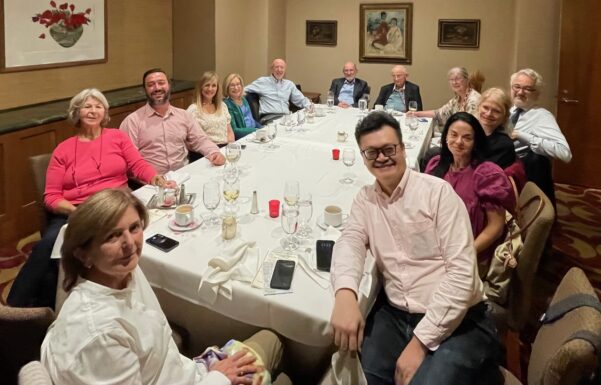
… days until the 8th ISTFP biennial conference. Yes, I am counting the days. Why? Because it has been six years since we all gathered together in mind AND body to further our knowledge of TFP and feel the warmth of our community. I have missed the stimulation of sharing ideas face to face with our elders, esteemed colleagues and esteemed colleagues who became friends along the road. And since the whole Public Relations and Communications Committee feels the same, we decided to make this edition about the upcoming ISTFP conference and the city where it will be held, New York. If you have not registered yet, you can do so by following this link.

I was there during the first conference in White Plains, NY in 2011 and have been coming every two years since. Every occurrence has left me with insights and experiences that have had a profound impact on me and my practice of TFP. In this article, I will try to tell the story of the ISTFP conference from the participant perspective so previous attendees can reminisces on past convention and new ones have all they need to enjoy it to the fullest. For a more formal history of the conference, I suggest reading this excellent article by Theophilus Kok that was published in the October 2022 members Newsletter.

This article contains exclusive content for ISTFP members.

If you already are a member of the ISTFP, login to read the full text. If you are not a current member of the ISTFP and want to enjoy all of our exclusive content such as blog posts and other resources, please click one of the links below and follow the instructions provided. We look forward to welcoming you to our community.


Renew Now or Join the ISTFP
Already a member? Log in here

Mathieu Norton-Poulin

Mathieu Norton-Poulin, M.Ps.

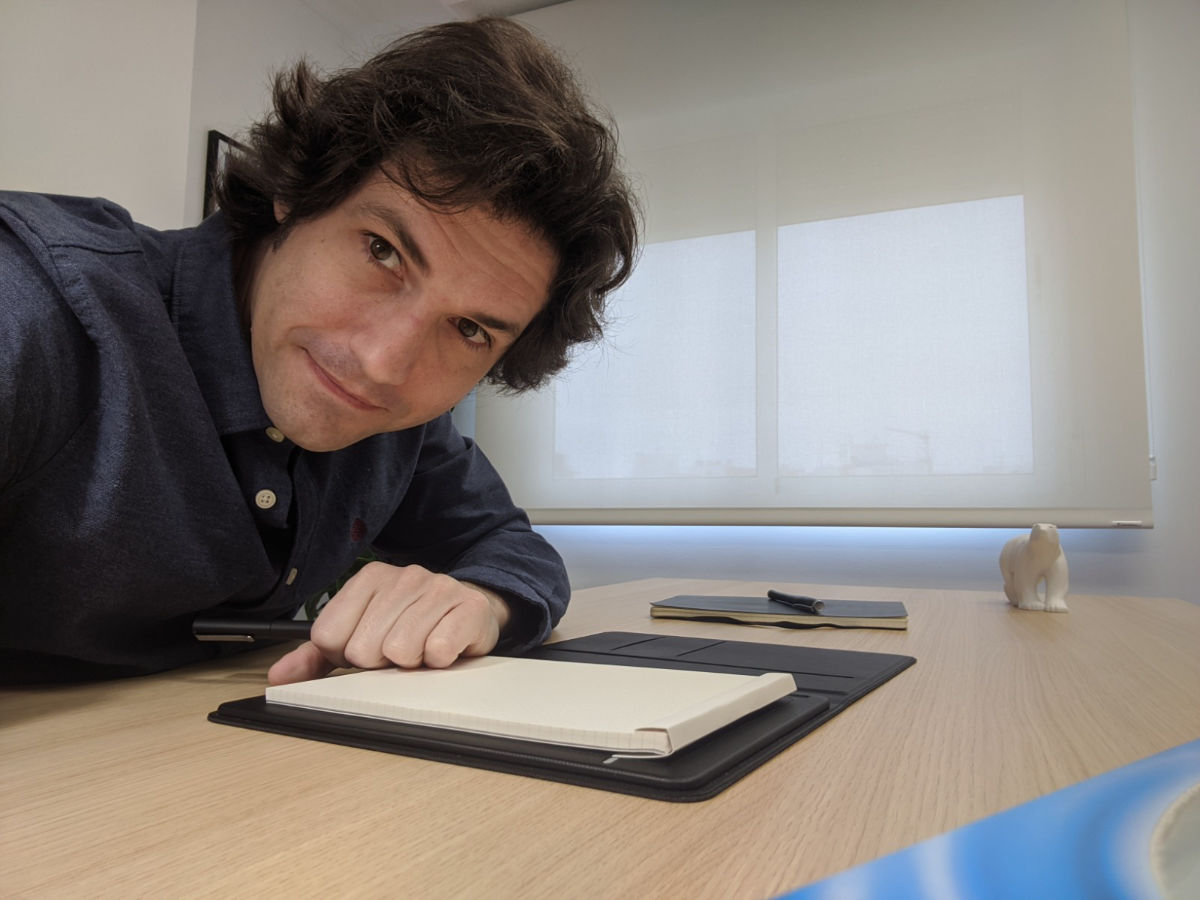
Mathieu Norton-Poulin is a psychologist in private practice in Gatineau, Québec. He graduated from Laval University in 1995 and started his training in transference focused psychotherapy in 2005. Member of the TFP-Québec group he as been practicing as a certified TFP therapist for the last 11 years. Since 2009 he organized several training events and has given lectures on TFP for medical doctors and college students. He maintains a blog where he write, in plain words, articles to explain TFP to the general public.
Read author’s Blog

A word from the president – July 2024

News

Down from Olympus… and on to New York

Dear Colleagues,

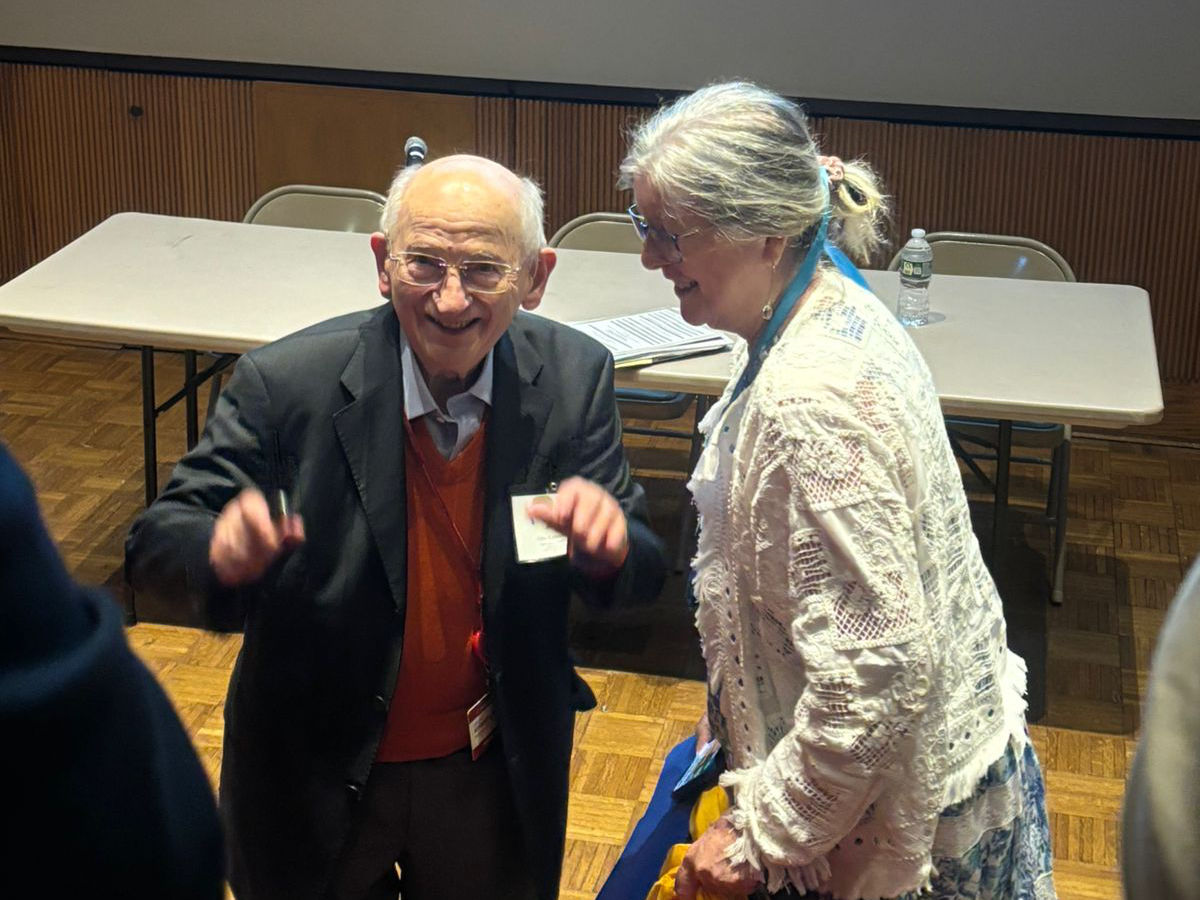
We all make mistakes. Mathieu Norton-Poulin, in his very personal article about attending ISTFP conferences over the years, points out a frequent error that people make: idealizing others. This is very understandable. We get comfort from the idea of someone who could have all the answers and solve all our problems. But, as we know, idealization is very dangerous. It is dangerous because it is not based in reality. In discussing Otto Kernberg’s cautioning people against the risk of idealizing him, Mathieu mentioned the risk of envy and aggression associated with idealization. We can go even further in our critique of idealization. For example, idealization of the leader is an implicit devaluing of the group. Otto Kernberg has always insisted that all members of the group have an important role in advancing our thinking and practice. This emphasis on the role of all members of the group was evident as the Personality Disorders Institute developed at the Weill Cornell Medical College. It is happening in a parallel way as we see the growth of the International Society for TFP. The whole is far stronger than any single member of the organization. Our organization has evolved into an incredibly creative and productive group.

This article contains exclusive content for ISTFP members.

If you already are a member of the ISTFP, login to read the full text. If you are not a current member of the ISTFP and want to enjoy all of our exclusive content such as blog posts and other resources, please click one of the links below and follow the instructions provided. We look forward to welcoming you to our community.


Renew Now or Join the ISTFP
Already a member? Log in here

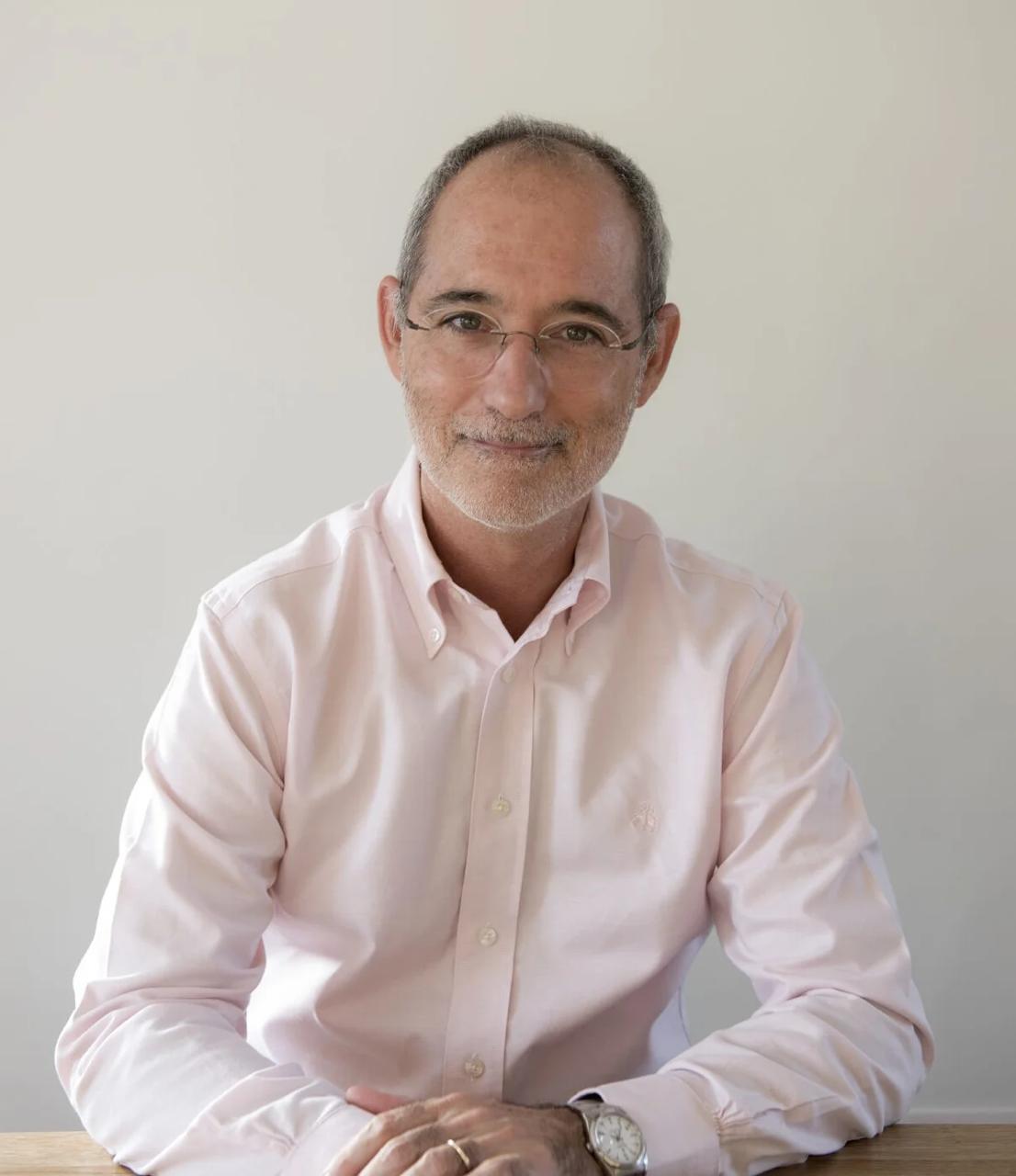
Frank E. Yeomans, MD, PhD

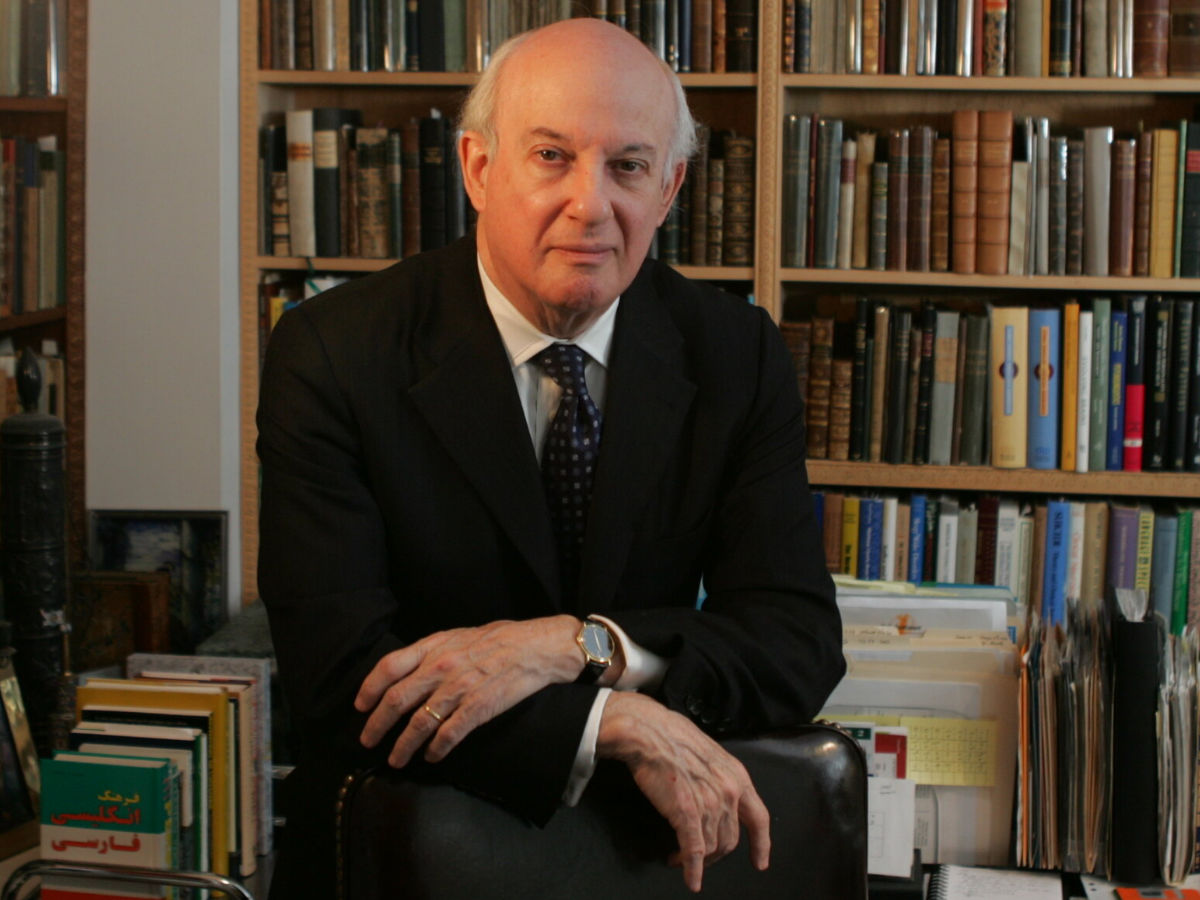
Frank E. Yeomans, MD, PhD, is a Clinical Professor of Psychiatry at the Joan and Sanford I. Weill Medical College and Graduate School of Medical Sciences of Cornell University. He is a Senior Consultant in and teaches internationally for the Personality Disorders Institute, and is in private practice in White Plains and New York City.

Author’s Website

Exploring NYC Through TFP

News

Uncovering City Adventures

Hello, I’m Diana Téllez from Mexico, and years ago, New York captured my heart on my first visit. I have been fortunate enough to explore the city on various occasions: with family, a partner, children, for work, or on vacation. These varied experiences reflect my deep passion for the city, making it one of my favorite destinations in the world. As the saying goes, “New York is always a good idea,” so if you are considering coming to the congress, I assure you that choosing it as the venue was an excellent decision.

With the same enthusiasm, I want to share some suggestions for having fun, based on what I would have liked to know on my first visits to New York. I hope these recommendations help you fall in love with the city as much as I have.

This article contains exclusive content for ISTFP members.

If you already are a member of the ISTFP, login to read the full text. If you are not a current member of the ISTFP and want to enjoy all of our exclusive content such as blog posts and other resources, please click one of the links below and follow the instructions provided. We look forward to welcoming you to our community.


Renew Now or Join the ISTFP
Already a member? Log in here

Diana Tellez

Diana Téllez Quiroz, PhD

Diana Téllez has been a Psychodynamic Psychotherapist since 2005. She obtained a Master’s in Psychotherapy for Children, Adolescents, and Adults in 2009 and a Doctorate in Psychoanalytic Psychotherapy from the Mexican Psychoanalytic Association in 2012.

She holds a PhD and Master’s in APM. Certified supervisor, teacher, and therapist in TFP, Circle of Security, and AAI. Psychologist with experience in personality disorders, specializing in MBT and EFT. Member of ISTFP and ISSPD.

Author’s website

The Scientific Symposia of the 8th ISTFP Conference

News

SYMPOSIUM 1 – Efficacy and effectiveness studies in TFP / Chair: Stephan Doering

  1. Jonathan Radcliffe, E. Fertuck, E. Preti, M. Boden,T. Dewhurst,C. Reeves Mates, C.Tuckett, P. Birch: The UK Study
  2. Annemieke Noteboom, M. Kaan, R. van Grieken, R. Kortrijk, N. Draijer, R. Van: Dyads – Effectiveness and Process of Change of Transference-focused Psychotherapy for Patients with Treatment Refractory Borderline and Narcissistic Personality Disorders
  3. Agnieszka Izdebska, M. Olga Jańczak, J. Franczyk-Glita: The Effectiveness of Transference-Focused Psychotherapy for Personality Disorders: A Protocol of RCT in Poland (TFP-PL Study)
  4. Joan Vegué, MJ Rufat, I. De Ángel, V. López, M. Ferrer, E. Sánchez: An experience of Applied Transference Focused Psychotherapy in a Rehabilitation Service for people with Borderline Personality Organization in Barcelona: assessment of results.
  5. John F. Clarkin, J. Sowislo, M. Lenzenweger: Preliminary Findings from the Weill Cornell Personality Disorders Institute (PDI) Study of Trajectory of Change
  6. Cecily Jahn, M. Hellmich, N. Kreutzer, S. Bender, M. Krischer: Decrease in Hospitalizations Among Adolescents with Borderline Personality Organization After TFP-A Day Clinic Treatment – A 2-Year Follow-Up

SYMPOSIUM 2 – Validation of the STIPO-R: results from five different countries and languages / Chair: Susanne Hörz-Sagstetter & Leonie Kampe

This article contains exclusive content for ISTFP members.

If you already are a member of the ISTFP, login to read the full text. If you are not a current member of the ISTFP and want to enjoy all of our exclusive content such as blog posts and other resources, please click one of the links below and follow the instructions provided. We look forward to welcoming you to our community.


Renew Now or Join the ISTFP
Already a member? Log in here

The ISTFP Art Committee

News

My name is Marike Steeman, Chair of the recently established Art Committee.

In the 1990’s, a group of psychoanalytic psychotherapists in the Netherlands were educated in TFP by faculty from the Personality Disorders Institute at the Weill Cornell Medical College under the leadership of Otto Kernberg. Since then I have been a TFP therapist and, in addition, I became a TFP teacher / supervisor and board member of TFP NL (the Netherlands). 

After completing a degree at the Academy of Fine Arts in my 50’s, I became interested in processes and developments in the works of visual artists. I did N=1 studies on Rothko, Mondrian, and others.

This article contains exclusive content for ISTFP members.

If you already are a member of the ISTFP, login to read the full text. If you are not a current member of the ISTFP and want to enjoy all of our exclusive content such as blog posts and other resources, please click one of the links below and follow the instructions provided. We look forward to welcoming you to our community.


Renew Now or Join the ISTFP
Already a member? Log in here

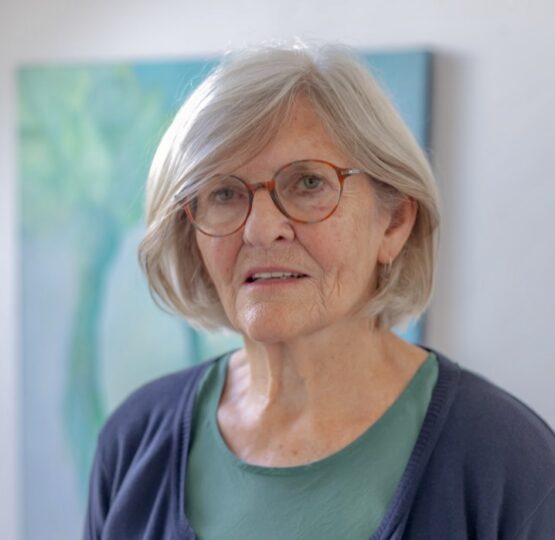
Marike Steeman

Marike Steeman is psychoanalytic psychotherapist, teacher & supervisor TFP, member NVPP, ISTFP, chair of TFP Nederland and director of the Psy Art Foundation.

Author’s Linked in profile

Let’s meet Silvia Bernardi from New York

News

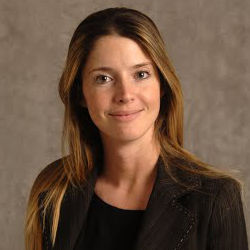
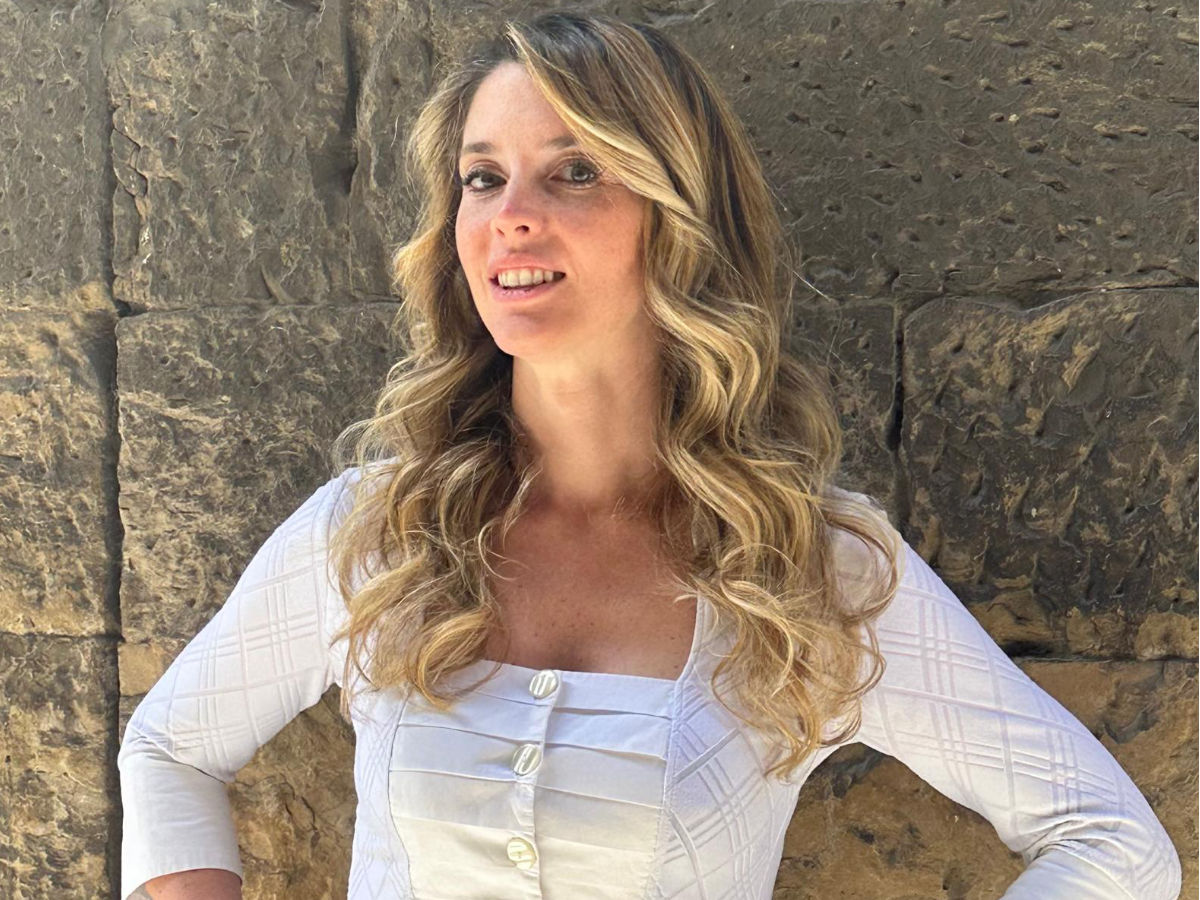
Dear members, my name is Veronica Steiner and in this special edition of our members Newsletter, I have the pleasure of presenting Silvia Bernardi, a proud TFP therapist and genuine New Yorker. In this interview, you will meet a brilliant, curious woman who left her native Florence to become a psychiatrist, in New York.

Veronica: No doubt, all members will wonder why you change from beautiful Italy to dizzying New York.

This article contains exclusive content for ISTFP members.

If you already are a member of the ISTFP, login to read the full text. If you are not a current member of the ISTFP and want to enjoy all of our exclusive content such as blog posts and other resources, please click one of the links below and follow the instructions provided. We look forward to welcoming you to our community.


Renew Now or Join the ISTFP
Already a member? Log in here

Ps. Veronica Steiner

Veronica Steiner Segal is a Chilean clinical psychologist who graduated in 1998. Since her beginnings she has been working with patients with Severe Personality Disorders in different health institutions in her country, and since 2018 she is a certified TFP therapist. In 2019 she obtained her accreditation as a teacher and supervisor. Since the same year she is coordinator of Grupo TFP Chile. She is the Executive Officer for the Board and she collaborates with the T&E Committee. She also teaches at the University of Valparaiso, in the Department of Psychiatry, where she also teaches in the Diploma of Severe Personality Disorders.
She collaborates in different courses looking for the diffusion of TFP. Together with Luis Valenciano and Pepa Gonzalez she directs an important training in TFP for Spanish speaking students, Instituto TFP Hispanoamerica.

TFP Chile WebsitE

Insights into Psychopathy: Where We Stand

News

The elusiveness of the Vicious Man

Psychopathy, the word itself raises fear and entails a feeling of darkness. In the coming text we will take time to explore the construct of psychopathy and better understand why it has such a profound effect on all of us. Will we find solace in the rarity of the pathology, its detectability, and treatability, or will we be haunted by the lurking presence of evil and its influence in the corruption of bonding in our societies?

Research on the question brought us to the works of Theophrastus (c. 371–287 BCE), a Greek philosopher who studied under Plato and Aristotle. During his life, he published many treatises on different subjects. His series of sketches of individuals from everyday Athenian life, “The Characters of Theophrastus (δεισιδαιμονίας Ισ᾽) ” could be considered one of the first “scientific” description of personality types. In his text, translated from ancient Greek by Charles E. Bennet and William A. Hammond, professors at Cornell University, we came across a description of “The Vicious Man”:


The Vicious Man

Viciousness is love of what is bad. The vicious man is one who associates with men convicted in public suits, and who assumes that, if he makes friends of these fellows, he will gain in knowledge of the world, and so will be more feared. Of upright men, he declares that no one is by nature upright, but that all men are alike, and he even reproaches the man who is honorable.


While Theophrastus does not talk of psychopathy proper, his portrait of “The Vicious Man” includes three characteristics that would be recognized by any of us has basics continuants of a psychopathic personality structure: love of evil, the exploitation of others for power, and a fundamental conviction of human amorality. But do we have enough evidence to say for sure that the vicious man is a psychopath?

The short answer is no. This is why we will give you an overview of the development of the construct and an insight into the roots of contemporary definition of psychopathy.

This article contains exclusive content for ISTFP members.

If you already are a member of the ISTFP, login to read the full text. If you are not a current member of the ISTFP and want to enjoy all of our exclusive content such as blog posts and other resources, please click one of the links below and follow the instructions provided. We look forward to welcoming you to our community.


Renew Now or Join the ISTFP
Already a member? Log in here

Ps. Veronica Steiner

Veronica Steiner Segal is a Chilean clinical psychologist who graduated in 1998. Since her beginnings she has been working with patients with Severe Personality Disorders in different health institutions in her country, and since 2018 she is a certified TFP therapist. In 2019 she obtained her accreditation as a teacher and supervisor. Since the same year she is coordinator of Grupo TFP Chile. She is the Executive Officer for the Board and she collaborates with the T&E Committee. She also teaches at the University of Valparaiso, in the Department of Psychiatry, where she also teaches in the Diploma of Severe Personality Disorders.
She collaborates in different courses looking for the diffusion of TFP. Together with Luis Valenciano and Pepa Gonzalez she directs an important training in TFP for Spanish speaking students, Instituto TFP Hispanoamerica.

TFP Chile WebsitE
Mathieu Norton-Poulin

Mathieu Norton-Poulin, M.Ps.

Mathieu Norton-Poulin is a psychologist in private practice in Gatineau, Québec. He graduated from Laval University in 1995 and started his training in transference focused psychotherapy in 2005. Member of the TFP-Québec group he as been practicing as a certified TFP therapist for the last 11 years. Since 2009 he organized several training events and has given lectures on TFP for medical doctors and college students. He maintains a blog where he write, in plain words, articles to explain TFP to the general public.
Read author’s Blog

Word of the president – April 2024

News

Dear Colleagues,

My thoughts are inspired by the rich and varied, but related, topics that our Public Relations Committee has put together in this newsletter. There is a sobering integration of many themes in the different articles. Silvia Bernardi writes of loss, embodied in the death of our colleague and friend Michael Stone. As Silvia points out, that loss is tempered to some degree by an appreciation of what Michael gave us, of the gift we had in him. Michael’s long association with us at the Personality Disorders Institute in New York is a reminder of something we may not reflect on enough: the degree to which our thinking and experience can be enriched by colleagues whose interests overlap with ours without fitting narrowly into the TFP world. Reflecting our years of association with Michael is a reminder that our community will continue to grow by both refining what we do and also by turning to close colleagues who may have somewhat differing perspectives to expand on what we do.

This article contains exclusive content for ISTFP members.

If you already are a member of the ISTFP, login to read the full text. If you are not a current member of the ISTFP and want to enjoy all of our exclusive content such as blog posts and other resources, please click one of the links below and follow the instructions provided. We look forward to welcoming you to our community.


Renew Now or Join the ISTFP
Already a member? Log in here

Frank E. Yeomans, MD, PhD

Frank E. Yeomans, MD, PhD, is a Clinical Professor of Psychiatry at the Joan and Sanford I. Weill Medical College and Graduate School of Medical Sciences of Cornell University. He is a Senior Consultant in and teaches internationally for the Personality Disorders Institute, and is in private practice in White Plains and New York City.

Author’s Website

Transference Focused Psychotherapy on the Web

News

Monitoring information on TFP in Google top search results

Dear members,

As you all know part of the mission of our society is to disseminate the model of Transference Focused Psychotherapy. This is achieved through many channels, including lectures, trainings and scientific articles. Today I suggest we take a look at where and how information about the model is communicated on the internet.

dataportal.com, a web platform dedicated on gathering data about the internet tells us that 60 % percent of people worldwide look online for information. That implies it is the same for information about treatments for personality disorders. That is why we asked the members of the Public Relations and Communications Committee to send me the first 10 results they obtain when conducting a Google search in their country for “transference focused psychotherapy” in English and in the country’s official language. In doing this, we hoped to monitor the information circulating about TFP on the internet and assess the ranking of TFP-Group websites.

Generally, information we found about transference focused psychotherapy mostly ranged from clear to adequate but, has you will see, we also came across some disturbing findings.

This article contains exclusive content for ISTFP members.

If you already are a member of the ISTFP, login to read the full text. If you are not a current member of the ISTFP and want to enjoy all of our exclusive content such as blog posts and other resources, please click one of the links below and follow the instructions provided. We look forward to welcoming you to our community.


Renew Now or Join the ISTFP
Already a member? Log in here

Mathieu Norton-Poulin

Mathieu Norton-Poulin, M.Ps.

Mathieu Norton-Poulin is a psychologist in private practice in Gatineau, Québec. He graduated from Laval University in 1995 and started his training in transference focused psychotherapy in 2005. Member of the TFP-Québec group he as been practicing as a certified TFP therapist for the last 11 years. Since 2009 he organized several training events and has given lectures on TFP for medical doctors and college students. He maintains a blog where he write, in plain words, articles to explain TFP to the general public.
Read author’s Blog

A journey through psychopathy and malignant narcissism

News

The loss of Dr. Michael Stone has left a void in the community of clinicians and therapists around the world, especially those who have grown professionally with his contributions to the study of Personality Disorders. His legacy strengthened the understanding, evaluation and treatment of Psychopathy and Antisocial Personality Disorder proper, one of the most challenging mental health conditions. Dr. Stone’s famous book “Anatomy of Evil” explores different causes and phenomenologies of psychopathy, creating a “scale of 22 degrees of evil severity”.

Malignant features and prognosis

Inspired by Dr. Stone’s contributions, this month newsletter features a contribution by Lenzenweger et al. In this paper, the authors utilize Dr. Kernberg’s definition of malignant narcissism to construct a composite index scale and analyze data collected in a prior study, hypothesizing that malignant features would limit the patients’ prognosis. Malignant narcissism, a syndrome encompassing symptoms of:

This article contains exclusive content for ISTFP members.

If you already are a member of the ISTFP, login to read the full text. If you are not a current member of the ISTFP and want to enjoy all of our exclusive content such as blog posts and other resources, please click one of the links below and follow the instructions provided. We look forward to welcoming you to our community.


Renew Now or Join the ISTFP
Already a member? Log in here

Glauco Valdivieso

Glauco Valdivieso

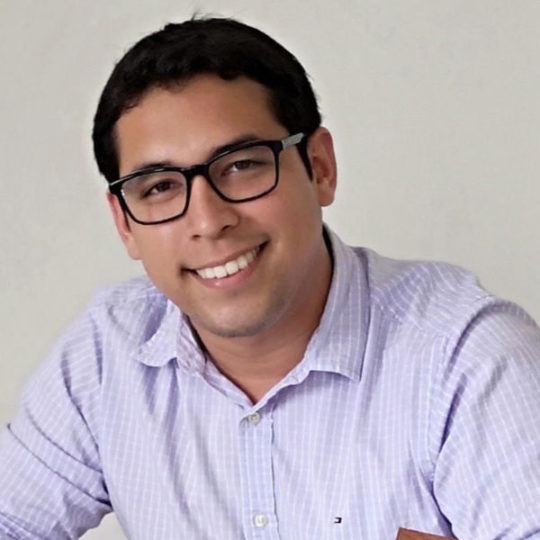
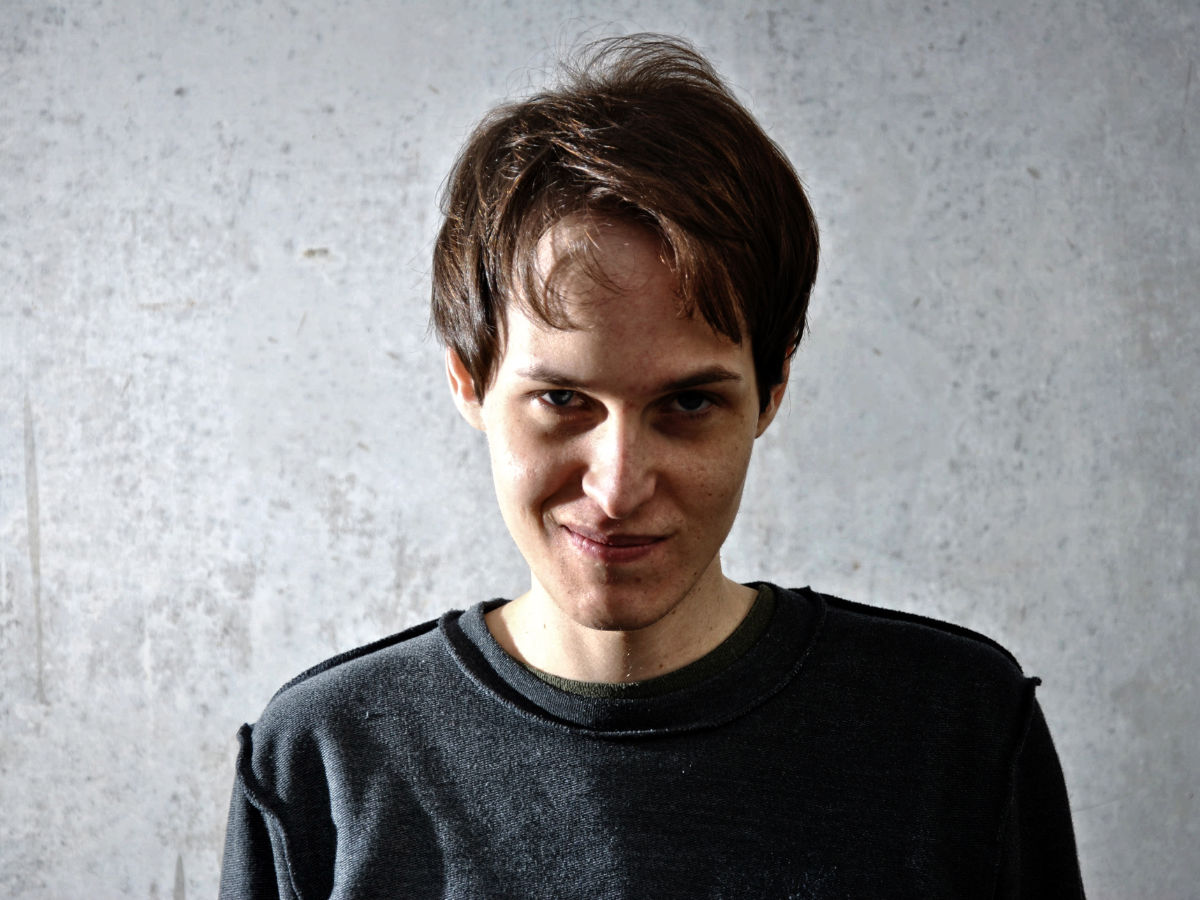
Glauco Valdivieso is a Peruvian psychiatrist, psychotherapist, and researcher based in Lima, Peru. He completed his medical degree at the Universidad Nacional Mayor de San Marcos and specialized in psychiatry at the Hospital Nacional Víctor Larco Herrera, becoming a board-certified psychiatrist in 2018.

He is a certified psychotherapist in Transference-Focused Psychotherapy (TFP), trained by the International Society of Transference-Focused Psychotherapy (ISTFP). In addition, he has completed formal training in Cognitive Psychotherapy, Dialectical Behavior Therapy (DBT), and Mentalization-Based Treatment (MBT).

More information

Dr. Valdivieso is the co-founder and medical director of the Instituto Peruano para el Estudio y Abordaje Integral de la Personalidad (IPEP), where he also coordinates the TFP Peru division. He founded and currently leads the Chapter on Personality Disorders within the Peruvian Psychiatric Association (APP), and works at the Mental Health Unit of Hospital de Villa El Salvador in Lima.

He is also a co-founder and editorial board member of the Latin American Journal of Personality, a collaborative initiative with the Instituto Argentino para el Estudio de la Personalidad y sus Trastornos (IAEPD). Additionally, he serves on the editorial board of the Peruvian Journal of Psychiatry. Internationally, he is a Board Member of the International Society for the Study of Personality Disorders (ISSPD), where he chairs the Communications Committee and leads the Latin American Regional Group.

His main clinical and research interests include the treatment of personality and mood disorders, with a particular focus on advancing research in Transference-Focused Psychotherapy (TFP).

Author’s facebook page
Silvia Bernardi

Silvia Bernardi

Silvia Bernardi, MD, is an Assistant Professor of Psychiatry at Columbia University. After graduating from medical school in Florence Italy in 2006, Silvia emigrated to the USA to work intensively in neuroscience research, studying the bases of the interaction between emotions and cognition. Silvia completed her residency in Psychiatry at Columbia and has since practiced privately in New York. She trained in Transference Focused Psychotherapy and continues to see patients for medication management and psychotherapy while conducting her research to unlock further knowledge to support the biological underpinnings of TFP and borderline personality disorder.

Author’s website

The ISTFP Ethics Committee

News

My name is Frank Denning, I am Chair of the Ethics Committee, and I wish to highlight the fundamental importance of ethics in the practice of Transference-Focused Therapy (TFP). In this newsletter, we will explore the role and relevance of our Ethics Committee, as well as the principles that guide therapists and professionals in this field.

First, though, I would like to acknowledge the help of my colleague Iván Arango, in putting together this introduction. Iván is a valued member of the Ethics Committee, along with Monica Carsky, Sergio Dazzi, Petra Holler, Alan Weiner and Teresa Ribalta. Had time allowed, and in keeping with the collaborative spirit of the committee, I would have consulted all the members about the content of this introduction. Hopefully, the thoughts of Iván and myself reflect the thinking of the whole committee.

Iván and I are grateful to Diana Téllez from the ISTFP Public Relations and Communication Committee, for her help in putting this introduction together. 

This article contains exclusive content for ISTFP members.

If you already are a member of the ISTFP, login to read the full text. If you are not a current member of the ISTFP and want to enjoy all of our exclusive content such as blog posts and other resources, please click one of the links below and follow the instructions provided. We look forward to welcoming you to our community.


Renew Now or Join the ISTFP
Already a member? Log in here

Frank Denning,

PhD Candidate in Philosophy, University of Manchester. Certified TFP Teacher and Supervisor. Member of ISTFP Training and Education Committee. Manchester-based Psychoanalytic Psychotherapist, working in the U.K. public health service.

Let’s remember Michael Stone, our dear friend

News

Last December 2023, The TFP community lost a dear friend with the passing of Dr. Michael Stone. While I never met Dr. Stone, I had heard his name, of course, and I knew he worked at Columbia as an expert in personality pathology. I knew he had written a book on sociopathy. But I had never spoken with him. I began to sense the personal importance of Dr. Stone to the TFP community on a Zoom call about a year ago when Otto Kernberg looked at me with clear sadness and told me that our colleague and friend Michael Stone had had a stroke. Dr. Kernberg’s concern and caring for Dr. Stone were apparent. He went on to share that Michael was an extraordinary person, that he had worked in a forensic hospital, and had been able to accumulate a unique perspective on psychopathy. Otto was letting me know that I had missed out on getting to know someone who had tremendous knowledge and wit, and someone he cared for profoundly.

The Anatomy of Evil

Based on this conversation, I spent August 2023 reading The Anatomy of Evil. Dr. Stone published it in 2009, a book in which he develops a taxonomy to define and classify evil. Anatomy is the right word: the book is a massive effort of research and classification, detailed, methodically and meticulously descriptive, clinical – an almost perfectly objective showcase of heinous crimes. The book is an encyclopedic attempt to describe with the hope to help prevent, not treat; there was only a vague attempt to provide a logic, with the full and final recognition that to truly understand the mind of a psychopath is ultimately not a possible endeavor.

I enjoyed the reading and the freedom of developing my own opinion over such an extensive and all-consuming collection of details and facts. How could Dr. Stone have collected so much information in one lifetime? And why did I find that book mostly comforting; why did I not feel repulsed? The writer seemed to have had a set of emotional responses like mine; acquiring knowledge seemed to have been a comforting process; only certain details were clearly fear-inducing. From there I started to wonder why Dr. Stone would be so interested in evil and, indeed, who was Michael Stone?

This article contains exclusive content for ISTFP members.

If you already are a member of the ISTFP, login to read the full text. If you are not a current member of the ISTFP and want to enjoy all of our exclusive content such as blog posts and other resources, please click one of the links below and follow the instructions provided. We look forward to welcoming you to our community.


Renew Now or Join the ISTFP
Already a member? Log in here

Silvia Bernardi

Silvia Bernardi

Silvia Bernardi, MD, is an Assistant Professor of Psychiatry at Columbia University. After graduating from medical school in Florence Italy in 2006, Silvia emigrated to the USA to work intensively in neuroscience research, studying the bases of the interaction between emotions and cognition. Silvia completed her residency in Psychiatry at Columbia and has since practiced privately in New York. She trained in Transference Focused Psychotherapy and continues to see patients for medication management and psychotherapy while conducting her research to unlock further knowledge to support the biological underpinnings of TFP and borderline personality disorder.

Author’s website

Loss and grief

News

Can it unite us?

Amid the current situation, marked by global conflicts, wars, and health crises, the concept of loss and grief becomes especially relevant for our community. Each of us has been confronted with this painful experience.

Grief emerges as a universal phenomenon, an inescapable constant in human experience that transcends cultures, times, and geographies. Throughout history, it has captured the attention of philosophers, physicians, psychologists, and sociologists who have sought to understand its complexities and have contributed diverse perspectives to its comprehension.

The contribution of psychoanalysis

At the intersection of these disciplines, the psychodynamic perspective emerged as especially insightful regarding the intricate process by which individuals cope with death, other major losses, and subsequent grief… mainly by recognizing that the latter does not present itself as a series of isolated symptoms but as a holistic and deeply personal experience.

This article contains exclusive content for ISTFP members.

If you already are a member of the ISTFP, login to read the full text. If you are not a current member of the ISTFP and want to enjoy all of our exclusive content such as blog posts and other resources, please click one of the links below and follow the instructions provided. We look forward to welcoming you to our community.


Renew Now or Join the ISTFP
Already a member? Log in here

Ps. Veronica Steiner

Veronica Steiner Segal is a Chilean clinical psychologist who graduated in 1998. Since her beginnings she has been working with patients with Severe Personality Disorders in different health institutions in her country, and since 2018 she is a certified TFP therapist. In 2019 she obtained her accreditation as a teacher and supervisor. Since the same year she is coordinator of Grupo TFP Chile. She is the Executive Officer for the Board and she collaborates with the T&E Committee. She also teaches at the University of Valparaiso, in the Department of Psychiatry, where she also teaches in the Diploma of Severe Personality Disorders.
She collaborates in different courses looking for the diffusion of TFP. Together with Luis Valenciano and Pepa Gonzalez she directs an important training in TFP for Spanish speaking students, Instituto TFP Hispanoamerica.

TFP Chile WebsitE
Mathieu Norton-Poulin

Mathieu Norton-Poulin, M.Ps.

Mathieu Norton-Poulin is a psychologist in private practice in Gatineau, Québec. He graduated from Laval University in 1995 and started his training in transference focused psychotherapy in 2005. Member of the TFP-Québec group he as been practicing as a certified TFP therapist for the last 11 years. Since 2009 he organized several training events and has given lectures on TFP for medical doctors and college students. He maintains a blog where he write, in plain words, articles to explain TFP to the general public.
Read author’s Blog

A word from the president – January 2024

News

Dear members,

I would like to give a special thanks to our remarkable ISTFP Public Relations Committee for the particularly relevant and moving newsletter they have produced. We can all benefit from the reflections on mourning they have written. At a time when loss and threat are very present in the world and in our lives, it is important to be reminded that we can continue to build our lives and our community.

This article contains exclusive content for ISTFP members.

If you already are a member of the ISTFP, login to read the full text. If you are not a current member of the ISTFP and want to enjoy all of our exclusive content such as blog posts and other resources, please click one of the links below and follow the instructions provided. We look forward to welcoming you to our community.


Renew Now or Join the ISTFP
Already a member? Log in here

Frank E. Yeomans, MD, PhD

Frank E. Yeomans, MD, PhD, is a Clinical Professor of Psychiatry at the Joan and Sanford I. Weill Medical College and Graduate School of Medical Sciences of Cornell University. He is a Senior Consultant in and teaches internationally for the Personality Disorders Institute, and is in private practice in White Plains and New York City.

Author’s Website

Assessing the Health of Our Society – ISTFP as we enter 2024

News

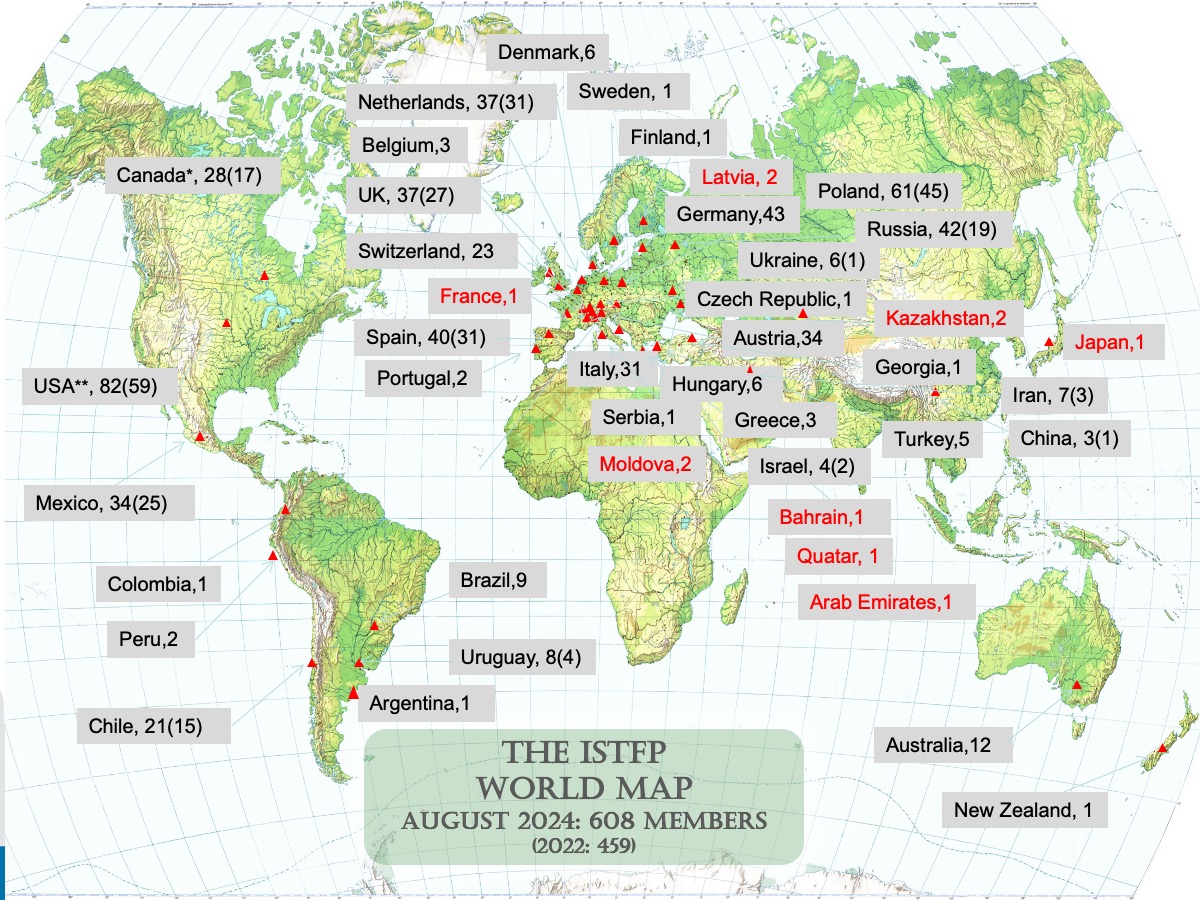
Let’s start by wishing everyone a healthy, safe, and productive year for all the members of the ISTFP in 2024! That being said we, at the Public relations and Communications Committee, decided to start the new year with a review of 2023 so all members are aware of general health of our society. We hope it will encourage those of you who have worked tirelessly doing volunteer work to contribute to the society and spark interest in others to get involve.

To us, the ISTFP is like a living organism so we have made a list of health indicators that we will try to review each year. And, since we love empirical evidence, we will show you numbers that we will refresh every year. Let’s see what the data tells us. Is the ISTFP growing or slowly fading away?

This article contains exclusive content for ISTFP members.

If you already are a member of the ISTFP, login to read the full text. If you are not a current member of the ISTFP and want to enjoy all of our exclusive content such as blog posts and other resources, please click one of the links below and follow the instructions provided. We look forward to welcoming you to our community.


Renew Now or Join the ISTFP
Already a member? Log in here

Mathieu Norton-Poulin

Mathieu Norton-Poulin, M.Ps.

Mathieu Norton-Poulin is a psychologist in private practice in Gatineau, Québec. He graduated from Laval University in 1995 and started his training in transference focused psychotherapy in 2005. Member of the TFP-Québec group he as been practicing as a certified TFP therapist for the last 11 years. Since 2009 he organized several training events and has given lectures on TFP for medical doctors and college students. He maintains a blog where he write, in plain words, articles to explain TFP to the general public.

Read author’s Blog

The creative nature of mourning

News

Consistent with the theme of this newsletter, the research digest will focus on a paper where Dr. Kernberg elaborates on some observations regarding the process of mourning. Our intention is to review some psychoanalytic literature on this complex process, which certainly does not lack heterogeneity.

While some brain regions have been indicated as possible candidates related to mourning (see Chambers J 2023 for a review), we chose not to focus on the neurobiology underlying mourning, given the lack of consensus over the definition, the dynamic and complex nature of the processes, and the different responses to different losses, which, combined with the limitations of biological investigations in humans, exponentially increase the number of variables to account for rigor.

We will, however, mention how circadian rhythms, heart rate, blood pressure, and other homeostatic regulatory mechanisms are impacted by the loss of a close relationship.

This article contains exclusive content for ISTFP members.

If you already are a member of the ISTFP, login to read the full text. If you are not a current member of the ISTFP and want to enjoy all of our exclusive content such as blog posts and other resources, please click one of the links below and follow the instructions provided. We look forward to welcoming you to our community.


Renew Now or Join the ISTFP
Already a member? Log in here

Silvia Bernardi

Silvia Bernardi

Silvia Bernardi, MD, is an Assistant Professor of Psychiatry at Columbia University. After graduating from medical school in Florence Italy in 2006, Silvia emigrated to the USA to work intensively in neuroscience research, studying the bases of the interaction between emotions and cognition. Silvia completed her residency in Psychiatry at Columbia and has since practiced privately in New York. She trained in Transference Focused Psychotherapy and continues to see patients for medication management and psychotherapy while conducting her research to unlock further knowledge to support the biological underpinnings of TFP and borderline personality disorder.

Author’s website
Glauco Valdivieso

Glauco Valdivieso

Glauco Valdivieso is a Peruvian psychiatrist, psychotherapist, and researcher based in Lima, Peru. He completed his medical degree at the Universidad Nacional Mayor de San Marcos and specialized in psychiatry at the Hospital Nacional Víctor Larco Herrera, becoming a board-certified psychiatrist in 2018.

He is a certified psychotherapist in Transference-Focused Psychotherapy (TFP), trained by the International Society of Transference-Focused Psychotherapy (ISTFP). In addition, he has completed formal training in Cognitive Psychotherapy, Dialectical Behavior Therapy (DBT), and Mentalization-Based Treatment (MBT).

More information

Dr. Valdivieso is the co-founder and medical director of the Instituto Peruano para el Estudio y Abordaje Integral de la Personalidad (IPEP), where he also coordinates the TFP Peru division. He founded and currently leads the Chapter on Personality Disorders within the Peruvian Psychiatric Association (APP), and works at the Mental Health Unit of Hospital de Villa El Salvador in Lima.

He is also a co-founder and editorial board member of the Latin American Journal of Personality, a collaborative initiative with the Instituto Argentino para el Estudio de la Personalidad y sus Trastornos (IAEPD). Additionally, he serves on the editorial board of the Peruvian Journal of Psychiatry. Internationally, he is a Board Member of the International Society for the Study of Personality Disorders (ISSPD), where he chairs the Communications Committee and leads the Latin American Regional Group.

His main clinical and research interests include the treatment of personality and mood disorders, with a particular focus on advancing research in Transference-Focused Psychotherapy (TFP).

Author’s facebook page

The Applied TFP Committee

News

Dear members,

I am Chiara De Panfilis, co-chair of the Applied TFP Committee. Together with my co-chair, Richard Hersh, I will present you the members of our committee, its history and achievements.

Our committee is comprised of twelve members: Eve Caligor (USA), Sergio Dazzi (Italy), Chiara De Panfilis (Italy), Richard Hersh (USA), Tennyson Lee (UK), Jonathan Radcliffe (UK), Michael Rentrop (Germany), Eulalia Ripoll (Spain), Christiane Roesch (Switzerland), Maria Jesús Rufat (Spain), Luis Valenciano (Spain), Jo-anna VanDenBosch (UK). 

We aim to bring together, to study, and to develop the various applications of TFP principles in mental health settings other than the standard, twice-a-week outpatient individual psychotherapy setting.

Examples include, but are not limited to:

  • Modifications of TFP for family interventions, group therapy, or forensic settings
  • Implementation of inpatient treatment for personality disorders (PD) with TFP principles techniques and strategies
  • Application of TFP principles within a variety of clinical situations and experiences such as:
    • general outpatient psychiatric care for PD
    • consultation-liaison psychiatry or medical settings
    • psychoeducation interventions.

Broadly speaking, such initiatives are referred to as “Applied TFP”. Examples of some of the elements of TFP that can be brought into these different settings are an emphasis on the role of a clear treatment frame and the utility of conceptualizing any clinical encounter in terms of the internal representations of self and other that are activated.

This article contains exclusive content for ISTFP members.

If you already are a member of the ISTFP, login to read the full text. If you are not a current member of the ISTFP and want to enjoy all of our exclusive content such as blog posts and other resources, please click one of the links below and follow the instructions provided. We look forward to welcoming you to our community.


Renew Now or Join the ISTFP
Already a member? Log in here

Chiara De Panfilis

MD, Associate Professor in Psychiatry

Chiara De Panfilis, MD, is an associate professor of Psychiatry in the Department of Medicine and Surgery, Unit of Neuroscience, University of Parma, Italy. Her main research interests are the potential social-cognitive mechanisms that shape the clinical picture and the psychosocial functioning of individuals suffering with personality disorders. She was previously a visiting research fellow at the Personality Disorders Institute of Weill Cornell Medical School, New York. For her research she received a grant from the International Psychoanalytic Association and awards from the International Society of Transference-Focused Psychotherapy (ISTFP) and the Society for Personality Assessment. She is co-founder and research coordinator of the Personality Disorders Lab (Parma-Milan, Italy). She is a board member of the ISTFP and is clinically active in implementing general psychiatric care for personality disorders with TFP principles. She authored
more than sixty peer-reviewed publications.

    Richard G. Hersh

    MD, Special Lecturer, Department of Psychiatry, Columbia University 

    Richard G. Hersh, MD, was an attending psychiatrist at Massachusetts General Hospital and McLean Hospitals while an Instructor in Psychiatry at Harvard Medical School before coming to Columbia University Medical Center where he was a psychiatrist on the inpatient service before serving for fifteen years as the Associate Director of the Department of Psychiatry’s Intensive Outpatient Program. He has been trained in Transference-Focused Psychotherapy (TFP) for treatment of personality disorders and has fulfilled the requirements for Teacher and Supervisor status for TFP. He as serves on the Scientific Advisory Board of the National Education Alliance for Borderline Personality Disorder (NEA-BPD) and recently co-authored the textbook “Fundamentals of Transference-Focused Psychotherapy: Applications in Psychiatric and Medical Settings” published in 2017 by Springer.

      Let’s meet Aurora Döll Gallardo

      News

      Helping Introduce TFP to Madrid and the Public Health System
      auroradollgallardo

      Exploring the Therapeutic Universe of Aurora Döll Gallardo

      In the captivating realm of mental health, I came across Aurora Döll Gallardo, a woman from Madrid whose life is dedicated to Psychotherapy, Psychiatry, and Medicine, and who has become an ardent advocate for Transference-Focused Psychotherapy (TFP).

      Let’s begin with Aurora’s mornings. Before immersing herself in the daily hustle, she indulges in the luxury of a morning run in a nearby natural park—a ritual that provides her with peace and balance, the perfect starting point for the day ahead. More than a routine, she sees it has a revitalizing ritual.

      As a true Madrilenian, Aurora shares her love for Zarzuela and the rich history of her city. From intriguing tidbits like the meaning of “Mayrit” (spring) to her detailed knowledge of medieval coats of arms, she guides us through a unique version of Madrid, a place she considers “the most beautiful city in the world.”

      Transitioning from everyday life, we dive into her professional journey. From being a Community Psychiatrist at the CSM de Villa Vallecas to becoming the head of the Alcohol Addiction Unit at Hospital Dr. Rodríguez Lafora, Aurora has woven a diverse and enriching network. We look forward to her helping us appreciate the usefulness of a TFP approach in treating substance abuse, a topic on the program of the ISTFP Biennial Conference in September.

      TFP takes center stage as the protagonist of this story. Aurora discovers her calling during five years of work in a Therapeutic Community for Personality Disorders. This is when she had a transformative encounter with TFP that motivated her to learn the treatment. Although TFP training was initially unavailable in Madrid, her determination led her to embrace it as soon as the opportunity arose in 2019-2020.

      Reflections and Challenges in the Spanish Landscape

      In our conversation, Aurora highlights the duality of TFP practice in Spain: despite currently being predominantly a private practice model of therapy, she envisions the potential for applying its principles in the public healthcare system. She acknowledges challenges, from overcoming prejudices to retaining patients in forms of treatment even when contracts are broken, but she is motivated to meet these obstacles with optimism.

      Exploring the future of TFP in Spain, Aurora advocates for its dissemination and continuous training, adapting to various clinical environments without losing sight of necessary standards. While recognizing the power of technology, she emphasizes the importance of human connection and enriching supervision that only professionals can provide.

      Thus, our conversation concludes, leaving us with the image of a passionate woman, dedicated to TFP and convinced that, in the therapeutic universe, the balance between technology and human connection is key. We sincerely thank Aurora Döll Gallardo for sharing her journey with us and hope that her story inspires others to learn and extend the application of TFP, with a commitment to understanding the importance of the human relation in the context of institutional work.

      Diana Téllez Quiroz

      Diana Tellez

      Diana Téllez Quiroz, PhD

      Diana Téllez has been a Psychodynamic Psychotherapist since 2005. She obtained a Master’s in Psychotherapy for Children, Adolescents, and Adults in 2009 and a Doctorate in Psychoanalytic Psychotherapy from the Mexican Psychoanalytic Association in 2012.

      She holds a PhD and Master’s in APM. Certified supervisor, teacher, and therapist in TFP, Circle of Security, and AAI. Psychologist with experience in personality disorders, specializing in MBT and EFT. Member of ISTFP and ISSPD.

      Author’s website

      Third ISTFP Supervisors Congress: A Look at the Challenges and Lessons Learned in Transference Focused Therapy

      News

      The ISTFP supervisors’ congress was hosted for the third time last October 6th and 7th. This meeting of the event, held every two years, brought together over 60 therapists and supervisors from all over the world in the vibrant city of Milan, Italy, under the name of the “Gerard Dammann Conference” in honor of our deceased colleague who hosted the first of these meetings at his hospital in Münsterlingen, Switzerland in 2019. The gathering was widely anticipated as it was the first time we could finally meet face-to-face after the pandemic.

      This meeting of the congress, organized by our Italian ISTFP colleagues, stood out for its richness in content, for the quality of the speakers, and for the attention given to organizing welcoming spaces both for the academic meetings and for the social and entertainment events that were greatly appreciated by the attendees. It has proven to be enriching on multiple levels, including academic, professional, social, and human. In this paper, I will give you a brief summary of a congress program packed with enriching talks and social activities.

      On the first day, before the official inauguration, a fruitful meeting was held between the teaching and research committees, led by Emanuele Preti. The meeting highlighted and consolidated the union between the two committees, focusing on ways to co-ordinate their efforts. Then the congress officially began with opening remarks given by Irene Sarno, on behalf of the local organizing group, followed by Luis Valenciano on behalf of the Training and Education Committee and Frank Yeomans as president of the ISTFP. It was followed with a reflection on the main difficulties in TFP learning by Nel Draijer and Stephan Doering. This was followed by a discussion of the role of treatment goals in TFP training, supervision, and practice by Richard Hersh and Eve Caligor. The first day concluded with an engaging case analysis, skillfully presented by Mark Petrini, Diana Diamond, and Frank Yeomans, with discussion by Eric Fertuck.

      On the second day, Alvise Orlandini and Sergio Dazzi led a session on how to better understand affect and affective dominance when practicing TFP. Their presentation was followed by an exploration of how to teach TFP supervisors to elicit richer input from group members using a video provided by Petra Holler and Mathias Lohmer. Then, online from his home in Maine, Otto Kernberg guided us through common dilemmas faced by supervisors, which are important to think about in our practice. Finally, the event culminated with a reflection on the treatment of patients with concrete thinking and low reflective capacity, presented by Luis Valenciano and Frank Yeomans, thereby concluding one of the most fruitful meetings of our organization.

      The common emphasis on the role of affect in therapeutic practice and supervision that was mentioned in all presentations stood out as an integrative guideline for the proceedings.

      In addition to the academic sessions, each day ended with a social gathering, giving attendees the opportunity to interact, share experiences, and strengthen professional ties.
      The meeting was very inspiring, and the all the comments enriched those two intense days. Finally we could chat, eat and dance together! And we thank our Italian colleagues of the PDLab for hosting the conference lunches.

      “As a member of the PDLab organizing committee, it has been a pleasure to organize this important meeting, a wonderful opportunity to see many colleagues from other countries in person. We all missed that direct contact.”

      Alvise Orlandini

      Perhaps the best way to explain what we have lived and learned in Milan, is the one explained by Sergio Dazzi:

      Teaching TFP is an exciting experience but arduous for the many different variables implied when we try to understand how best it can be done: differences in severity of pathology among patients suitable for TFP, differences in personal characteristics of a single therapist (as we privilege the channels of communication of non verbal communication and induction of countertransference reactions it comes clear that different therapists can follow individualized paths to reach the same goal while coherently moving accordingly to the manualized indications), and finally the different stages of treatment. To these we could add the choreography of the supervision, individualized or in group, and the different level of expertise of the presenting candidate.

      So, the issue can be afforded from many different angles and I have learned much from each one. The idea of interviewing a candidate (Nel and Stephan), or of telling about the work of three different supervisors in New York who debate and integrate (Eric), or of directly showing in the same video a segment of a session, a segment of a supervision and a role playing (Petra and Mathias), or of affording in a creative way what once were called (if I may dare) the aspecific aspects of psychotherapy (Luis and Frank), all this tells us how much space all of us have to enrich our way of teaching. I have named just a few coming to my mind but all presentations deserved much attention and kept me awake in a very hot Italian September, until Alvise reminded us that It’s Only Rock’n Roll.

      Sergio Dazzi

      Dear members of the ISTFP, as you can see, the Third ISTFP Supervisors Congress has not only strengthened training and supervision in PFT, but has also reaffirmed the commitment of the global community of TFP therapists and supervisors to continue pursuing excellence in clinical practice.

      For now, Milan bids us farewell, but we can all meet again in New York in September 2024!

      We look forward to seeing you all!

      Ps. Veronica Steiner

      Veronica Steiner Segal is a Chilean clinical psychologist who graduated in 1998. Since her beginnings she has been working with patients with Severe Personality Disorders in different health institutions in her country, and since 2018 she is a certified TFP therapist. In 2019 she obtained her accreditation as a teacher and supervisor. Since the same year she is coordinator of Grupo TFP Chile. She is the Executive Officer for the Board and she collaborates with the T&E Committee. She also teaches at the University of Valparaiso, in the Department of Psychiatry, where she also teaches in the Diploma of Severe Personality Disorders.
      She collaborates in different courses looking for the diffusion of TFP. Together with Luis Valenciano and Pepa Gonzalez she directs an important training in TFP for Spanish speaking students, Instituto TFP Hispanoamerica.

      TFP Chile WebsitE

      A word from the president – October 2023

      News

      Dear Colleagues,

      This is a frightening and dangerous time, and a time to try to call on the best within us to help each other through. The horrific terrorist attack on Israel has ignited a situation with no end in sight. And yet we all hope for an end to the bloodshed … we hope that terrorism will be eliminated from our world and peaceful solutions can be found.

      We continue to have news of war, slaughter, and violence elsewhere as well. As indirect as our efforts may seem, we must continue to try to help people have a better understanding of the irrational forces of the mind that contribute to the violence and to try to make progress in increasing reason over unchecked passion.

      In the world of TFP, we tend to be optimistic that our efforts can help those individuals who come to us with their pain and suffering. Issues of pain and suffering outside the consulting room are much more challenging. 

      As therapists whose thinking is rooted in Freud, it is good to remember his very sobering view of the human condition.

      In Civilization and its Discontents, he wrote: “We are threatened with suffering from three directions: from our own body… from the external world, which may rage against us with overwhelming and merciless forces of destruction; and, finally, from our relations to other men. The suffering which comes from this last source is perhaps more painful to us than any other.”

      In the immediate situation, we have the challenge of consoling those who are suffering in so many ways… physically and psychologically. And, while it may seem quixotic, we have the challenge of helping spread an understanding of the basic psychological processes that stir up division and hatred between people and among peoples.

      Otto Kernberg increasingly emphasizes the role of a solid system of moral values as part of a healthy personality. This is one of the reasons that he had an hour-long meeting with Pope Francis in September. The meeting was a validation of Dr. Kernberg’s role not only as a psychoanalytic thinker but as a moral leader, linking topics such as the importance of a solid system of moral values as part of identity to complex issues such as the appeal of narcissistic leaders to large masses of people.

      In introducing this newsletter, I’d like to again thank the Public Relations Committee for their great work. 

      Mathieu Norton-Poulin’s article introduces us to ISTFP-PRESS and the ISTFP Online Library, exceptional new services that will benefit all our members. 

      Irene Sarno’s article describes the working and plans of the Training and Education Committee, headed by Luis Valenciano, emphasizing the Committee’s current work on the supervisory process, which was the focus on the recent Dammann Supervisors’ Conference in Milan, and also describes projects involving videorecordings and a blog on microprocess in TFP. 

      Verónica Steiner’s article communicates some of the specific topics that were discussed at the Milan conference, providing an idea of the themes that were elaborated and future directions that were proposed for us to pursue in improving the supervisory process.

      Glauco Valdivieso and Silvia Bernardi’s article reviews the role of supervision in TFP and refers to the development of the “Pilot’s List” for supervision. This “Pilot’s List” was introduced by Otto Kernberg to be further developed by the Subcommittee on Supervision. It promises to be a core document in organizing how we think about and practice supervision.

      Diana Tellez’ article introduces us to Marina del Hoyo. Marina is a model of how to combine practicing TFP, teaching it, and planning important research. Teaching TFP to psychiatric residents is especially important and requires combine traditional TFP and applied TFP. Marina emphasizes how TFP helps get to know any patient in any setting at a deeper level and how TFP supervision supports the therapist in the therapist’s emotional journey through the therapy, which can be difficult at times.

      In ending, it’s important to remember that the ISTFP’s work is about connecting with deep affects, affects that many people, whether they are patients or not, often split off from awareness and act out. The current polarization in many of our groups and societies offers beleaguered individuals simplistic but false solutions to complex problems. I hope we can try to teach in a way that helps us avoid the risk that our societies devolve into personality disordered entities.

      Sincerely,

      Frank Yeomans

      Frank E. Yeomans, MD, PhD

      Frank E. Yeomans, MD, PhD, is a Clinical Associate Professor of Psychiatry at the Joan and Sanford I. Weill Medical College and Graduate School of Medical Sciences of Cornell University. He is a Senior Consultant in and teaches internationally for the Personality Disorders Institute, and is in private practice in White Plains and New York City.

      Author’s Website
      • « Go to Previous Page
      • Page 1
      • Page 2
      • Page 3
      • Page 4
      • Page 5
      • Go to Next Page »
      • Home
      • Contact
      • Privacy

      © 2012–2026 ISTFP · All Rights Reserved · Website Design and Maintenance by MadRiverWeb.com · Contact ISTFP Webmaster