
• Skip to content
ISTFP.ORG

ISTFP.ORG

International Society of Transference-Focused Psychotherapy

Advancing Treatment of Borderline Personality Disorder

  • Home
    • Latest News
    • Upcoming Trainings
    • Books
  • About ISTFP
    • History of ISTFP
    • Executive Board
    • International Groups
    • ISTFP Committees
    • ISTFP Biennial Conferences
    • Contact
  • Treatment
    • About Transference-Focused Psychotherapy (TFP)
    • About Borderline Personality Disorder
    • Research on TFP
    • TFP for Groups
    • Applied TFP for Couples
    • TFP for Adolescents (TFP-A)
    • TFP for Narcissistic Patients
    • TFP for Neurotic Personality Organization (DPHP)
    • TFP in Forensic Psychiatry (TFFP)
    • Inpatient TFP
    • Find a TFP Therapist
  • Publications
    • Transference Focused Psychotherapy Online Library
    • TFP Books
    • Diagnostic Instruments
  • Training
    • Upcoming TFP Trainings
      • TFP Trainings North America
      • TFP Trainings Latino America
      • TFP Trainings Europe
      • TFP Trainings Asia
    • Training in TFP
    • Levels of Certification
      • TFP Therapist Certificates
    • Teacher and Supervisor Curriculum
    • Directory of Certified TFP Teachers and Supervisors
    • Archive of TFP Training Seminars
    • Archive of TFP Training Courses
  • Resources
    • News
    • TFP Podcasts & Video Library
    • Personality Disorder Conferences & Events
  • Membership
    • Join the ISTFP
    • Membership Account
    • Your Profile
    • Member Account FAQ
    • Contributing Content
    • Supervisor Resources
    • Log In

News

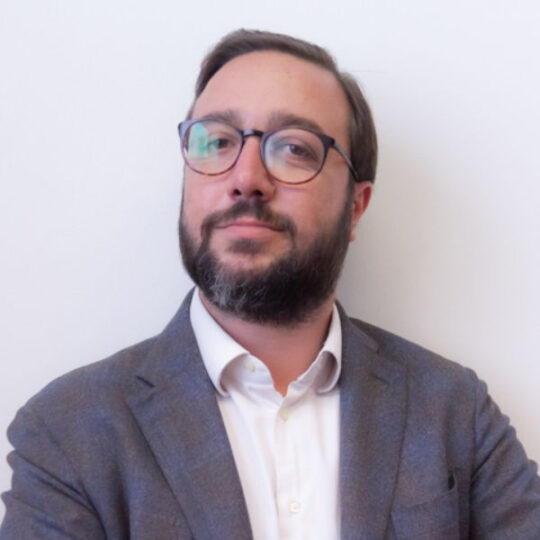
Let’s meet Glauco Valdivieso, Coordinator of developing TFP Peru group

News

Meeting Glauco feels like an adventure, as he wears many hats, he is passionate about his work as a head of Mental Health Unit of Hospital de Emergencias Villa El Salvador, but above all he is passionate about studying.

He has studied a master’s degree in Health Management, and is currently pursuing two more master’s degrees, one in Clinical Epidemiology and the other in Personality Disorders.
He is also trained and certified in Rational Emotive Behavior Therapy (REBT), Dialectical Behavior Therapy (DBT) and Transference Focused Therapy (TFP).

Dedicated to the study and treatment of complex patients

Glauco has dedicated almost his entire professional career to the study and treatment of complex patients. Along his path he met several years ago with “patients who had many problems, with chronic complications, various comorbidities and with whom the technical tools that I had did not work”. He began to search for evidence-based therapies in the literature and came across TFP. “That’s when I understood that there were more than just symptoms, there was a human side of the patients, I realized what it means to address and look at the entire identity of a person, their interpersonal difficulties and above all a way to understand and work with strong emotional crises of patients that I found very difficult to handle with other approaches”.

The discovery of TFP

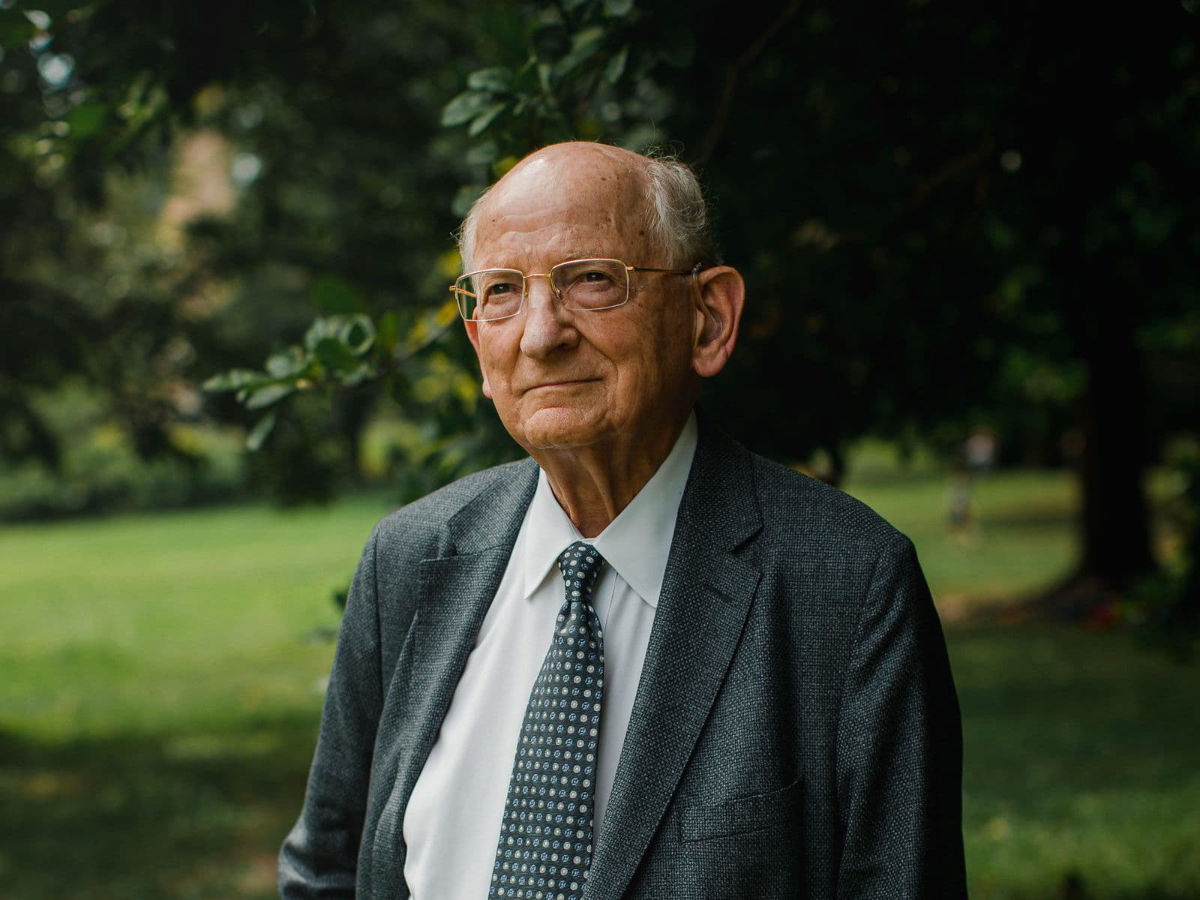
In his search to find what would be useful to help his patients, he started finding articles by Dr. Otto Kernberg and Richard Hersh, among others. He was quickly struck by the emphasis of the therapeutic contract, highlighting that contracting not only “puts the patient first” but also provides great care and protection to the therapist as a person. This was new and very appealing for Glauco who decided to definitely dig deeper into the study of patients with personality pathology with TFP.

Confronting prejudice

Glauco says that what he found most challenging about TFP has been the prejudice of some colleagues and the scientific community of his country, still focused on classical analytic techniques. “I see that as a therapy that still carries great stigma and this cannot be appealing to young therapists seeking training”. “Somehow”, Glauco says, “this stigma is passed on to patients. We cannot continue to work without diagnoses, without goals, without clarity of what is being done, wasting patients’ time and adding to their suffering. Our patients come with great fears and we must start by explaining to them what we do with clarity, we must start by making them lose their fear of this technique”.

The challenges of managing transference and countertransference

As he started his training in TFP, Glauco was met with another challenge: the management of transference and counter transference. “I realize that once I understand the dominant dyad it is difficult for me to make it explicit to the patient, I realize that I fear the patient’s reaction and this fear makes me lose control of the session”. On the other hand, Glauco tells us that since he has been practicing TFP he has also gained several benefits, today he has clearer personal limits, “it has helped me to put forward conditions and agreements to the patient for making clear how the process will be from the beginning, I know what my role and what the patient’s role is”.

The future of TFP

We asked him about what are the challenges that TFP will face in the future. He thinks the stigma around the technique is the biggest challenge for trainees and patients. He says “It cannot be seen as a hard technique, but neither should we fall into being overvalidating with patients who don’t respect limits, we must be seen as therapists with a technique in which the patient really works and strives to get ahead”.

To conclude, Glauco mentioned the importance of diffusing knowledge about TFP “I think we are growing, more and more people are interested, but we must continue and go out to the world and continue to spread knowledge”.


Veronica Steiner

Ps. Veronica Steiner

Veronica Steiner Segal is a Chilean clinical psychologist who graduated in 1998. Since her beginnings she has been working with patients with Severe Personality Disorders in different health institutions in her country, and since 2018 she is a certified TFP therapist. In 2019 she obtained her accreditation as a teacher and supervisor. Since the same year she is coordinator of Grupo TFP Chile. She is the Executive Officer for the Board and she collaborates with the T&E Committee. She also teaches at the University of Valparaiso, in the Department of Psychiatry, where she also teaches in the Diploma of Severe Personality Disorders.
She collaborates in different courses looking for the diffusion of TFP. Together with Luis Valenciano and Pepa Gonzalez she directs an important training in TFP for Spanish speaking students, Instituto TFP Hispanoamerica.

TFP Chile WebsitE

Third ESSPD Summer School 2023: Developmental Pathways and Interventions

News

Third ESSPD Summer School 2023 – August 27th to September 2nd, 2023

Dear colleagues and ISTFP members,

The European Society for the Study of Personality Disorders (ESSPD) is proud to announce the third ESSPD Summer School for early career researchers, organized in collaboration with the University of Lausanne, Depart- ment of Psychiatry, Institute of Psychotherapy and Child and Adolescent Psychiatry Service, with the financial support of the Swiss National Science Foundation (SNSF).

The aim of the summer school is to increase the meth- odological competencies in conducting high quality de- velopmental psychopathology research in the domain of personality disorders. Topics include: developmental psy- chopathology (i.e., prediction of self-harm and suicide in adolescence), inclusion of family in research designs (i.e., mothers with personality disorders and their offspring), prospective long-term follow-up studies, psychotherapy, research designs (i.e., effectiveness, mediation, modera- tion), assessment of emotional processing, socio-cognitive processing and reflective functioning in adolescence.

We will adopt a theory-integrative, disorder-oriented and evidence-based approach. Throughout the one-week pro- gram, the focus will be on the plurality of methods, their productive use for specific research questions and their creative combinations in order to deepen the understand- ing of developmental pathways and the effects of pre- vention and intervention to personality disorders in youth.

Teaching methodologies include interactive presentations, workshop exercises on actual research material, plenary and small group discussions, individual work, speed-talk presentations, playfully structured question-and-answer sessions.

Where?

The summer school takes place in a relaxing and inspiring atmosphere at the picturesque retreat center Crêt-Bérard, calmly perching over Lac Léman in Switzerland, one of the largest lakes in Western Europe. Activities as part of a social program will be organized.

When ?

Sunday, August 27th 2023 (arrival day) – Saturday, September 2nd, 2023 (departure day); 5 full days residential).

For whom ?

PhD students, MDs, or early post-doctoral fellows affiliated with a European university.
Deadline : Applications by February 1st, 2023 by e-mail to [email protected].

All applications must contain a letter of motivation, a curriculum vitae and a 1-page summary of the relevant research project (in one PDF file). Applications from Eastern Europe are explicitly encouraged.

Full fee EUR 750 (includes registration to all scientific ac- tivities, six overnight stays at Crêt-Bérard, all meals/coffee breaks, and organized social activities).

Reduced fee EUR 300 for participants from Eastern Euro- pean countries (includes registration to all scientific ac- tivities, six overnight stays at Crêt-Bérard, all meals and organized social activities).

Important: ESSPD, with funding from SNSF, fully supports financially up to five participants from Eastern European countries (will be paid for: reduced fee and travel expens- es). Please attach one letter of support (e.g. from your supervisor) if you are interested to apply for this funding.

Flyer of the event (PDF)

ESSPD
ESSPD

The European Society for the Study of Personality Disorders (ESSPD)

ESSPD website

The ISTFP conference history

ISTFP Conference, News

Dear colleagues and ISTFP members,

We are happy to welcome you to the 7th ISTFP conference. We hope that this biennial “meeting of minds” will provide you with a memorable learning experience. Again this year, because of the COVID Pandemic, we cannot meet in person. We will not be able to, like in previous editions of the event, engage in meaningful human interactions. Since that important part of the event will be missing, let’s make the most of this, like we did two years ago, and look forward to seeing each other again in two years… for real.

I am Theophilus Kok and, like some of you, I was not there in the early ISTFP Conferences. That is why the Public Relations and Communication Committee and I thought it would be a good idea to tell you about the origin of the event. For those of you that have been here since the beginning, we thought that it would be important, after 3 difficult years, to remind ourselves where we come from and go forward with renewed energy and intent.

Meeting the needs of “difficult” patients

As you all know, personality disorders used to present severe treatment challenges in psychiatry, however, during the 1970s and 1980s along with the publishing of Borderline Conditions and Pathological Narcissism (1975), Severe Personality Disorders (1984), and the first treatment manual Psychodynamic Psychotherapy of Borderline Patients (1989), Otto. F. Kernberg and his team at the Personality Disorders Institute of Cornell University in New York have developed the Transference-Focused Psychotherapy.

TFP is a form of psychodynamic psychotherapy with specific modifications of technique that address the therapeutic needs of patients with borderline and other personality disorders. As a reaction to this completely new approach toward the treatment of borderline patients, Otto F. Kernberg and his colleagues received warm invitations to give lectures and training courses for TFP in North America, Latin America, and Europe.

Emergence of TFP groups

Later, numerous local and national TFP groups emerged from the training, particularly from the supervision groups. Members of the first regional TFP groups were invited very often by colleagues to provide training courses all over their countries. Comprehensive TFP curricula were then developed, and numerous physicians and psychotherapists became profoundly educated TFP therapists and later on supervisors.

After years of dissemination of TFP globally, particular regional groups in New York, Quebec, Amsterdam, Munich, Vienna and Mexico – mostly associated to Medical Schools or Universities – developed an interest in empirical research on the approach. These research activities lead to two main randomized-controlled trials on the efficacy of TFP for borderline patients. Once, TFP received the status of an empirically validated treatment, the interest among clinicians and researchers all over the world increased tremendously. Otto F. Kernberg and his colleagues, as well as TFP trainers and supervisors from other countries, then travelled energetically around the world to present research findings on international conferences and to give training courses.

Increasing needs and passion for exchanging ideas among TFP trainers, supervisors, and researchers, as well as TFP therapist contributed to two international TFP conferences in New York in 2008 and Berlin in 2010 respectively. Following this momentum, regional and national TFP groups or societies have been founded or are in formation in many countries so far: USA, Canada, Italy, Mexico, the Netherlands, Germany, Austria, Switzerland, the UK, Poland, Chile, Uruguay, Spain, Turkey, Brazil, Hungary, Russia, China, Australia, Ukraine and the Czech Republic.

The birth of an International Society

On September 10/11, 2011 with great enthusiasm approximately 150 participants from 15 countries had gathered in New York to participate in the Inauguration Conference of the ISTFP. During the conference, the inauguration assembly voted for an Executive Board of eight persons: Otto F. Kernberg (President), Stephan Doering (Vice President and Executive Officer), Melitta Fischer-Kern (Treasurer), John F. Clarkin (Coordinator for research and scientific issues), Frank E. Yeomans (Coordinator for training and certification issues), Lina Normandin, Nel Draijer, and Peter Buchheim. On October 27, 2011 the International Society of Transference-Focused Psychotherapy (ISTFP) was officially registered at the Austrian Authorities with its seat in Vienna.

The Executive Board nominated chairs of six standing committees: John F. Clarkin (Research and Publication Committee), Frank E. Yeomans (Training and Education Committee), Andrés Borzutzky (Public Relations Committee), George Brownstone (Ethics Committee), Pamela Foelsch (Adolescent TFP Committee), and Peter Buchheim (Inpatient TFP and Psychiatric Services Committee).

The ISTFP Conference endures

The ISTFP website and the logo were created, and the 2nd International ISTFP Conference was prepared to take place on September 29/30, 2012 in Amsterdam. Afterward, the ISTFP decided to host its conference every two years starting from the 3rd International ISTFP Conference held in Parma, Italy. The 4th and 5th biennial ISTFP Conference were held in 2016 in New York, USA and in 2018 in Barcelona, Spain respectively.

They all provided an opportunity to showcase the most cutting-edge work by TFP practitioners and researchers. Inheriting a tradition of openness, experts from outside of TFP communities were also invited to give talks in the conference.

In 2020, the 6th ISTFP Conference that was originally planned to be held in Innsbruck, Austria was moved online due to the COVID crisis. Even though missing the conviviality of meeting in person, the enthusiasm for sharing new materials and exchanging ideas brought participants from 20 countries to the online conference. The conference was packed with inspiring and interesting talks and discussions from experts in the field of personality disorder from around the globe. Impacted by the reality of pandemic and increasing needs of online treatment, conceptual considerations for TFP online treatment were discussed during the conference.

Expending a healthy community

Today, the ISTFP comprises over 492 members and is still hosting its intellectually stimulating biennial meetings and facilitating meaningful and productive collaborations. Currently, with the great efforts of TFP therapists and with the idea to expand the clinical application of TFP, nowadays its principles can be applied to different types of patients and in different care settings.

Although the ISTFP continues to expand, the Society’s commitment to nurturing the development, research, application, and dissemination of TFP, an empirically validated psychoanalytic treatment for patients with borderline personality, that can be applied to other personality disorders, remains unchanged.

It gives a good appreciation of our community’s resolve toward it mission. Let’s keep working together and plan to “really” meet in 2024.

Theophilus Kok

Theophilus Kok

Theophilus Kok is a psychiatrist and psychotherapist in private practice in Hangzhou, China. He graduated from Zhejiang University in 2006 and started his training in TFP in 2018. He is the founder and director of the Institute of Personality Studies and Development, and the leader of the Personality Disorders Working Group in Kangning Hospital affiliated to Wenzhou Medical University. His interest is to treat patients with personality disorders and as the coordinator of TFP training in China, he aims to introduce TFP to more local clinicians.

Author’s Linkedin page

The ISTFP Research Award

News, Research

ISTFP Research Award

Among many other initiatives, the International Society for Transference Focused Psychotherapy (ISTFP) shares its commitment to fostering science and acquisition of knowledge with a yearly award: the Research Award from the International Society for Transference Focused Psychotherapy. Publications issued in English during the last two years on personality pathology from an object relation point of view are eligible for nomination and consideration for the award which consists of Euro 1000. This award is meant to recognize rigorous scientific effort on transference-focused psychotherapy and will be presented to the winner during the ISTFP annual conference.

Any member in good standing can nominate a paper (including the author) by emailing the Chair of the Research Committee or Dr. Frank Yeomans. ISTFP encourages authors to nominate their own work.

Some history…

Acknowledging the processes in which an institution is consolidated is essential to its development . In this sense, recognizing research efforts in TFP, helps us stimulate each of member of our organization to work in strengthening its scientific foundation.

That’s how it started…
Since 2012, the ISTFP has recognized advances and research in the field of severe personality disorders. In this year Henk Jan Dalewijk and his colleague, Bert van Luyn, were honored for their achievement of the Symfora Tapes. This project is an instructional, seven-DVD set created in collaboration with some of the world’s leading clinicians specializing in the treatment of severe personality disorders from the approach of different types of psychotherapy: cognitive-behavioral, interpersonal, transference-focused, dialectical behavioral, supportive, and integrated psychodynamic psychotherapy.

  • 1st Research Award (2014)
  • Diana Diamond
  • Attachment and Mentalization in Female Patients with Comorbid Narcissistic and Borderline Personality Disorder – PDF
  • 2nd Research Award (2016)
    Chiara DePanfilis
  • When Social Inclusion Is Not Enough: Implicit Expectations of Extreme Inclusion in Borderline Personality Disorder – PDF
  • 3rd Research Award (2018)
  • Anna Tmej
  • Changes in attachment representation in psychotherapy: is Reflective Functioning the crucial factor? – PDF
  • Borderline patients before and after one year of Transference-focused Psychotherapy (TFP):  A detailed analysis of change of attachment representations – PDF
  • 4rd Research Award (2020)
  • Yogev Kivity
  • Conformity to prototypical therapeutic principles and its relation with change in reflective functioning in three treatments for borderline personality disorder. – PDF
  • Andrea Fontana
  • Development and Validation of the Interview of Personality Organization Processes in Adolescence (IPOP-A) – PDF

What’s coming for this ISTFP Research Award 2022?

The winner will be announced at this year’s Conference.

For more research…

These recognitions and awards motivate us to continue increasing knowledge and sharing them with the scientific community of the ISTFP and clinicians around the world who want to know more about this therapeutic model and personality disorders in general.

Enjoy this ISTFP Research Award 2022!

Glauco Valdivieso

Glauco Valdivieso

Glauco Valdivieso is a Peruvian psychiatrist, psychotherapist, and researcher based in Lima, Peru. He completed his medical degree at the Universidad Nacional Mayor de San Marcos and specialized in psychiatry at the Hospital Nacional Víctor Larco Herrera, becoming a board-certified psychiatrist in 2018.

He is a certified psychotherapist in Transference-Focused Psychotherapy (TFP), trained by the International Society of Transference-Focused Psychotherapy (ISTFP). In addition, he has completed formal training in Cognitive Psychotherapy, Dialectical Behavior Therapy (DBT), and Mentalization-Based Treatment (MBT).

More information

Dr. Valdivieso is the co-founder and medical director of the Instituto Peruano para el Estudio y Abordaje Integral de la Personalidad (IPEP), where he also coordinates the TFP Peru division. He founded and currently leads the Chapter on Personality Disorders within the Peruvian Psychiatric Association (APP), and works at the Mental Health Unit of Hospital de Villa El Salvador in Lima.

He is also a co-founder and editorial board member of the Latin American Journal of Personality, a collaborative initiative with the Instituto Argentino para el Estudio de la Personalidad y sus Trastornos (IAEPD). Additionally, he serves on the editorial board of the Peruvian Journal of Psychiatry. Internationally, he is a Board Member of the International Society for the Study of Personality Disorders (ISSPD), where he chairs the Communications Committee and leads the Latin American Regional Group.

His main clinical and research interests include the treatment of personality and mood disorders, with a particular focus on advancing research in Transference-Focused Psychotherapy (TFP).

Author’s facebook page
Silvia Bernardi

Silvia Bernardi

Silvia Bernardi, MD, is an Assistant Professor of Psychiatry at Columbia University. After graduating from medical school in Florence Italy in 2006, Silvia emigrated to the USA to work intensively in neuroscience research, studying the bases of the interaction between emotions and cognition. Silvia completed her residency in Psychiatry at Columbia and has since practiced privately in New York. She trained in Transference Focused Psychotherapy and continues to see patients for medication management and psychotherapy while conducting her research to unlock further knowledge to support the biological underpinnings of TFP and borderline personality disorder.

Author’s website

ISTFP’s Public Relations and Communication Committee

News, Public Relations

Esteemed colleagues and ISTFP members, 

My name is Mathieu Norton-Poulin and together with Veronica Steiner I have the pleasure to chair the ISTFP Public Relations and Communication Committee. It is with great enthusiasm that I write today in the first newsletter of our society. I am proud to belong to a group of exceptional professionals who dedicate their lives to ease the suffering of people burdened by personality disorders. I hope that the actions of our committee will help support us all towards that goal.

Before sharing our mission and objectives, I would like to tell you the story of our team. But don’t worry, I will keep it short!

At the beginning we were just six strangers, all we knew about each other was that Dr. Frank Yeomans and Dr. Luis Valenciano thought we’d be interested in working together.   

Mathieu Norton-Poulin

Co-Chair, Canada

Veronica Steiner

Co-Chair, Chili

Diana Tellez

Diana Tellez

Member, Mexico

Silvia Bernardi

Silvia Bernardi

Member, USA

Glauco Valdivieso

Glauco Valdivieso

Member, Peru

Theophilus Kok

Theophilus Kok

Member, China

As you can see, since the very start, we represented the richness of our society. Harvesting the strengths and benefits of real diversity took time and intention. We had to nurture small and continuous interactions between each other on every possible media. We stayed neutral, curious, open and reflective to each other, following TFP values. With each interaction our differences became known, while at the same time, our group identity grew and started to bind us. We now rely on each other with knowledge and reciprocal appreciation, hoping to inspire our experience of enrichment in diversity in all members of the ISTFP. 

The Public Relations and Communication Committee’s overarching mission is strengthening the ISTFP community’s identity by opening new communications channels between ISTFP and local TFP groups. The root of our mission steams from our personal experience as a group.

With this in mind, here are the actions we plan to set in motion to promote unity among members and increase our sense of belonging.

Member’s newsletter

You are reading our first newsletter. It will be issued quarterly and include five sections that serve as direct means of communications between us.

  1. The main headline section will inform you about important events in the TFP world. Whether it be essential training opportunities, major theoretical or technical innovations or interesting initiatives by local groups, it will keep you up to date on what is happening in our international community. If you want to broadcast something, contact us, we will reach everyone for you.
  2. The “Word of the president” section will relay important announcements from the president and the executive board. 
  3. The “Public Relation and Communications Committee” section will describe actions that were implemented by our committee and call out ways by which we can help you diffuse knowledge.
  4. The “Research digest” section will highlight new research papers relevant to Transference Focused Psychotherapy and borderline disorders. We welcome members to contact us if they want to share their work. We will gladly feature it.
  5. Finally, the “Training” section will present, in a nutshell, the training activity of all local groups with links to get more information and to subscribe. Tell us about your initiatives, we will make sure every member will hear about them. 

Dedicated EMail Platform

With a dedicated Email platform, we want to give you access to tools to promote your next conference in an easier fashion. For the groups that desire it, we plan to offer templates of email advertisements and use the powerful “Send in Blue” email marketing platform to get your promotion to as many professionals has possible. Contact us before planning your next TFP event to see how we can help.

Informing the public about TFP

Diffusing knowledge of TFP among the public is part of the mission of ISTFP. That will be addressed by regrouping and curating videos about TFP in an “ISTFP YouTube channel”. We also plan on producing new videos for addressing common public misconceptions about TFP. 

We hope those efforts will spark interest and simplifies recruitment of new therapist trainees by exposing the advantages of TFP defining a clear path on how to become a TFP therapist.

Updating the ISTFP website

In the coming years, in co-operation with the ISTFP webmaster, Darlene McCormick, we will be in charge of updating the ISTFP website. Among other changes, we plan on implementing sections for members only with original material such as videos and publications on TFP. In the long run, our intent is to modify the website so that it is shown in the first pages of major search engines for queries like “Borderline treatment” or “Therapies for personality disorders”.

The work ahead

So this the path ahead for your Public Relations and Communication Committee.

Some may say it is ambitious!

That may be true, but we believe much comes from diversity, unity and enthusiasm.

Looking forward to hearing from all of you.

Always yours,

Mathieu Norton-Poulin
On behalf of the PR committee

Mathieu Norton-Poulin

Mathieu Norton-Poulin, M.Ps.

Mathieu Norton-Poulin is a psychologist in private practice in Gatineau, Québec. He graduated from Laval University in 1995 and started his training in transference focused psychotherapy in 2005. Member of the TFP-Québec group he as been practicing as a certified TFP therapist for the last 11 years. Since 2009 he organized several training events and has given lectures on TFP for medical doctors and college students. He maintains a blog where he write, in plain words, articles to explain TFP to the general public.

Read author’s Blog
  • « Go to Previous Page
  • Page 1
  • Interim pages omitted …
  • Page 3
  • Page 4
  • Page 5
  • Home
  • Contact
  • Privacy

© 2012–2026 ISTFP · All Rights Reserved · Website Design and Maintenance by MadRiverWeb.com · Contact ISTFP Webmaster